

Georgia Tech Turns Sewage Plants Into Food Waste Energy Hubs
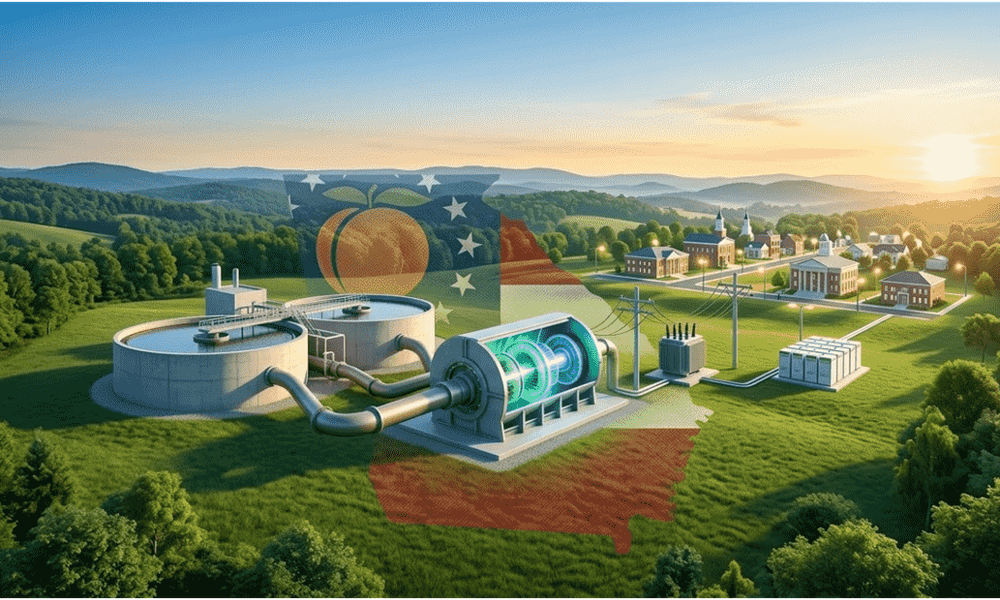
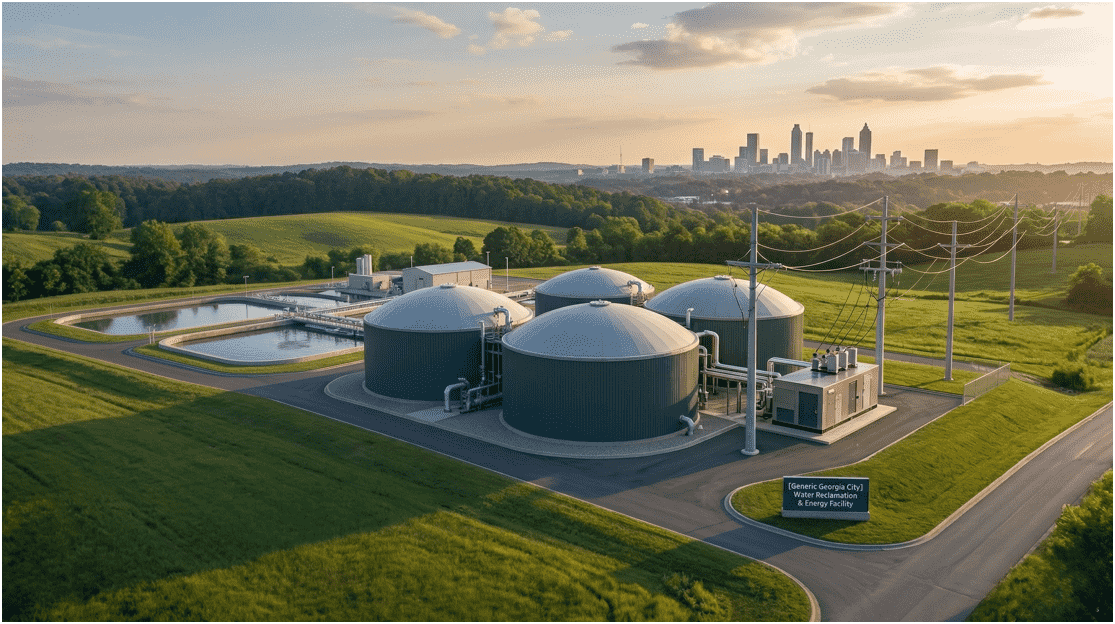
New research from the Georgia Institute of Technology highlights how wastewater treatment plants could take on a second role: processing food waste alongside sewage sludge. Georgia Tech’s findings suggest that existing treatment infrastructure could produce more biogas through anaerobic co-digestion, which can then be used for electricity or heat.
That matters because food waste remains one of the largest contributors to landfill volume in the United States. When organic waste decomposes in landfills, it releases methane into the atmosphere. Redirecting some of that material into wastewater systems could help cities reduce landfill pressure while getting more value from infrastructure they already operate.
How Co-Digestion Works in Practice
At the center of the process are anaerobic digesters, which break down organic material without oxygen. When food waste is mixed with sewage sludge, those digesters can produce more biogas than they would from sludge alone.
For municipalities, the appeal is practical. A treatment plant that already manages sewage can potentially expand its role without building an entirely separate energy facility. That creates a more efficient system for handling two waste streams at once.
Why Pre-Treatment Matters
The biggest operational challenge is not whether the digestion process works. It is whether incoming food waste can be prepared well enough to move through the system safely.
Before food scraps can enter the digester, they often need to go through several preparation steps, including:
- sorting out packaging and other contaminants
- grinding waste into smaller particles
- turning the material into a pumpable slurry
- reducing the risk of clogged pumps and damaged equipment
- maintaining a more consistent input stream
Without that front-end work, the system becomes much harder to run efficiently. In other words, the success of co-digestion depends as much on preparation as it does on the biology inside the tank.
Why Georgia Has a Real Opportunity Here
Georgia has a strong reason to pay attention to this model. Cities across the state are already under pressure to manage waste more efficiently while keeping utility costs under control. A system that reduces landfill use and increases on-site energy production speaks to both concerns at once.
The local advantage is not only the research itself. With Georgia Tech helping shape the discussion, the state also has the engineering, logistics, and infrastructure base to support pilot programs that move this concept beyond the lab.
The Economics Depend on More Than Energy Output
The benefit is not limited to producing extra power. Cities could also reduce landfill tipping costs by diverting food waste away from disposal sites. Over time, that can improve the financial case for upgrading existing treatment operations.
There is also growing interest in systems that can document methane capture and emissions reduction more precisely. As reporting standards and carbon-related incentives continue to evolve, municipalities may have stronger reasons to treat captured biogas as part of a broader efficiency strategy rather than as a side benefit.
The Contamination Risk Cities Cannot Ignore
Even so, the model is not automatic. One of the biggest concerns is contamination from food packaging, including microplastics and PFAS-related materials. If that waste enters the system in large amounts, it can affect the quality of the biosolids left behind after digestion.
That matters because biosolids often have downstream value, including use in agriculture or other recovery channels. If contamination makes those outputs harder to use or sell, the economics of the entire process become less attractive. That is why sorting and screening are not minor technical steps. They are central to whether the model works.
Where New Solutions Could Emerge
This challenge could also create room for innovation. Companies working in sorting, screening, sensor systems, and industrial processing may find new opportunities in municipal waste operations, especially if cities begin testing co-digestion more seriously.
What Municipal Pilots Could Show Next
The next step is not broad adoption overnight. It is pilot-scale testing that shows what works under local conditions, including:
- feedstock quality
- equipment compatibility
- contamination control
- energy output
- potential cost savings
For Georgia cities, that kind of pilot would offer something more useful than broad sustainability language. It would show whether co-digestion can deliver measurable gains in efficiency, waste reduction, and energy resilience using systems municipalities already have in place.
As Georgia looks for more practical ways to modernize infrastructure, wastewater-to-energy systems may become one of the clearest examples of how public utilities can do more with the assets they already own.
Want more stories like this? Visit the Peach State Tech blog page for more on Georgia’s emerging AI, logistics, and infrastructure trends.