

Itential Brings Tighter Control to AI-Driven Network Automation
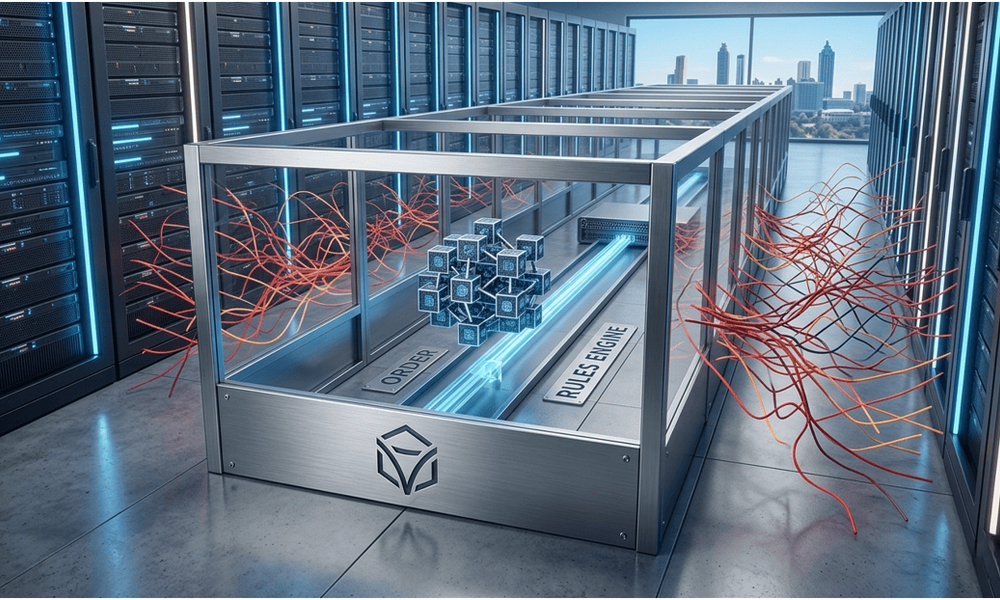
Atlanta-based Itential has introduced a framework designed to keep AI agents from making unpredictable changes to enterprise networks. At the center of it is a deterministic rules engine that keeps automation within defined boundaries, reducing the risk of unsafe or inconsistent actions.
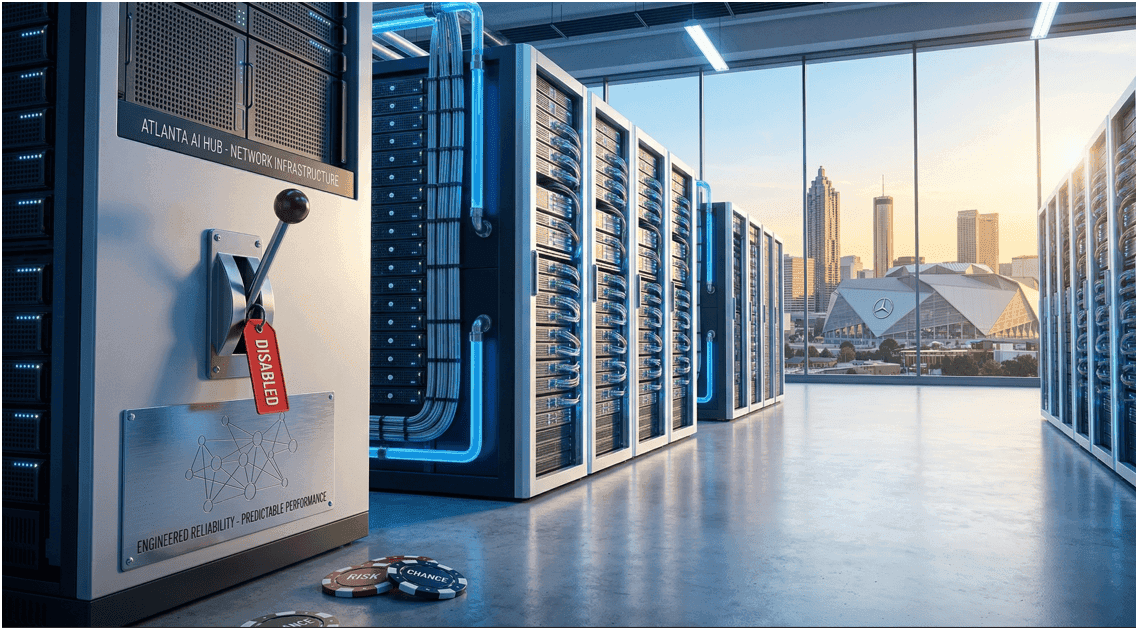
That matters because one of the biggest concerns around AI-driven infrastructure management is whether an autonomous system can be trusted in production. When networks support critical business operations, enterprises need automation that follows approved logic rather than improvising its way through configuration changes.
Why Deterministic Rules Matter
The core idea is simple: identical inputs should lead to identical outputs. Instead of letting an AI agent respond freely to a network issue, the platform guides actions through predefined rules, validated workflows, and structured data models.
That creates a more controlled operating environment for teams that want the speed of automation without giving up oversight. It also makes the system easier to evaluate in environments where compliance, uptime, and operational consistency matter.
How the Boundaries Work
In practice, the platform is designed to constrain what an AI agent can do by:
- enforcing approved workflows
- limiting actions to defined permissions
- using structured specifications instead of open-ended prompting
- requiring review for higher-risk changes
- keeping outputs consistent when conditions are the same
This approach reduces the chance that an agent will make a technically valid but operationally risky decision.
From Prompts to Specification-Driven Actions
A major part of the framework is Itential’s emphasis on spec-driven development. Instead of depending on loosely framed prompts, the platform uses OpenAPI specifications and structured data models to define what an agent is allowed to do and how it should respond.
That shift matters because it turns automation into something more testable and predictable. Rather than hoping an agent interprets intent correctly, network teams can define acceptable actions more precisely and keep automation aligned with policy.
Where Permissions Stay Granular
The platform also allows operators to set different levels of authority depending on the environment. For example, an AI agent may be allowed to optimize traffic in a lower-risk development setting while still requiring human approval before making changes to production firewall rules.
That kind of control helps enterprises use AI in limited but practical ways. It gives teams room to automate routine adjustments while protecting the parts of the network where mistakes carry higher operational risk.
Why This Matters in Atlanta’s Infrastructure Market
This release is especially relevant for Atlanta companies managing more complex infrastructure as enterprise demands continue to grow. As the region expands its data center footprint and supports more large-scale digital operations, the pressure to manage networks with greater speed and consistency increases as well.
That is where governed automation becomes more useful. Instead of asking teams to choose between fully manual work and loosely constrained AI behavior, platforms like this aim to create a more reliable middle ground.
What Enterprise Teams Can Take From It
The broader takeaway is not simply that AI can help manage networks. It is that enterprise adoption becomes more realistic when automation is structured, limited, and easier to audit. For companies that want to use AI in infrastructure operations, trust will depend less on the promise of autonomy and more on the quality of the guardrails around it.
As more organizations move from experimentation to real deployment, deterministic frameworks may become one of the clearest signs that AI infrastructure is becoming more practical and more accountable.
Keep exploring the Peach State Tech blog for more stories on how Atlanta companies are turning complex technologies into practical business advantages.