

Grocery Inventory Management Software for Independent Retailers
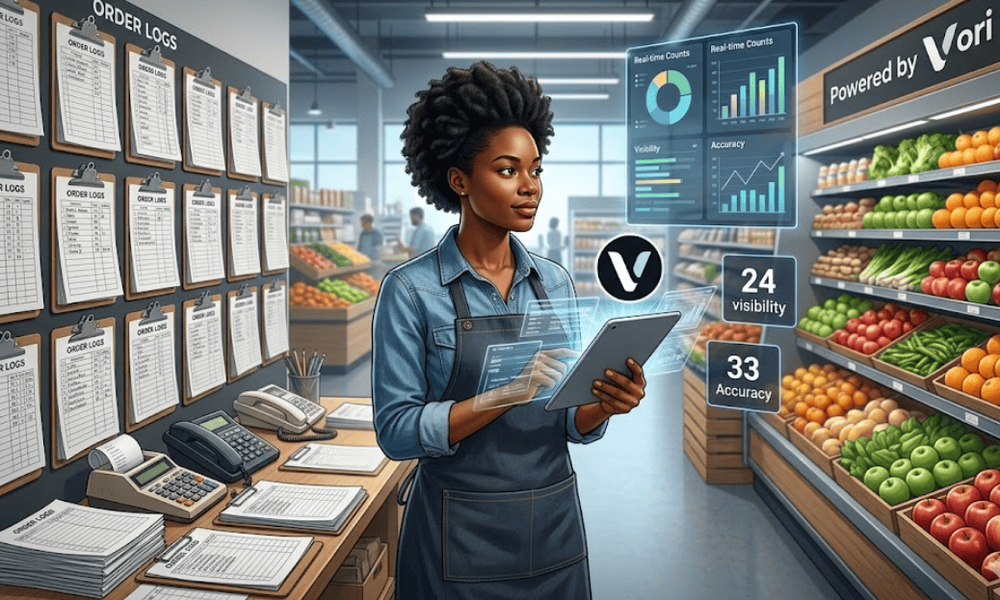
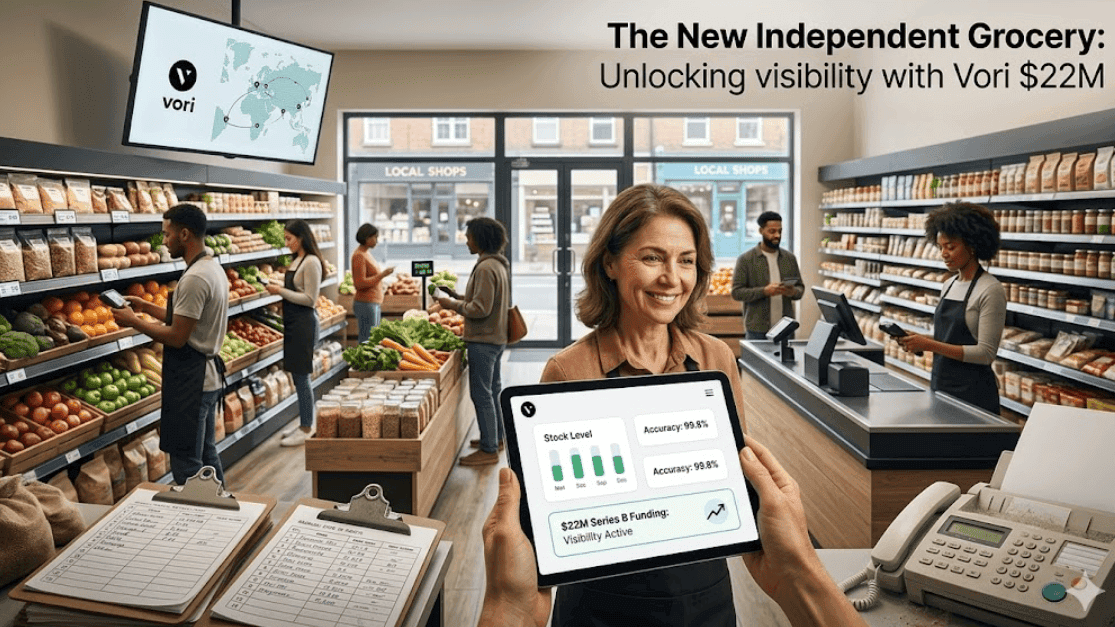
Modern digital platforms are becoming essential for independent grocers transitioning away from legacy systems. Relying on spreadsheets, phone-based ordering, and manual stock checks slows down fulfillment and increases stockout errors. Modern inventory management system platforms help retailers improve grocery store inventory management while reducing delays caused by disconnected workflows.
Upgraded software architectures replace outdated routines with centralized data. Store managers can now track products in real time instead of reacting after shelves become empty. These systems support effective inventory management by improving stock tracking, inventory visibility, and inventory operations across multiple store locations.
The resulting integrations make stock updates faster and more accurate. Staff can respond immediately when products run low, reducing delays and lost sales. Better visibility also improves inventory decisions by helping stores identify reorder points before inventory shortages affect customer demand.
Several features support this operational shift and reduce manual workload.
- Barcode scanners improve tracking accuracy
- Mobile applications allow for instant stock updates
- Centralized data helps managers monitor product availability
Modern grocery store inventory management platforms also use accurate data and historical sales information to improve demand forecasting and reduce excess inventory.
Independent Grocery Inventory Management Software for POS Integration
A modern inventory platform integrates directly with point-of-sale hardware to ensure real-time synchronization between sales and backend stock levels. Independent operators rely heavily on these transaction systems to record daily revenue. Modern inventory software is designed to work alongside these systems through seamless integration rather than replace them.
Combining front-end registers with backend logistics allows store managers to track movement as it happens. When a product is sold at checkout, inventory counts update automatically. This reduces manual tracking and improves stock management accuracy across all store locations. Integrated systems also reduce manual entry errors and data entry errors that often occur when inventory updates are handled separately.
Vori supports this type of integration by connecting ordering, supplier data, and retail sales into a single system. This helps independent grocers reduce errors caused by disconnected tools and improves consistency in order management and inventory updates. Centralized platforms also simplify purchase orders and improve order fulfillment across supplier networks.
How Inventory Systems Support Grocery Supply Chains
Independent grocery operations depend on complex supplier networks. Without modern systems, order management becomes fragmented and inefficient. Retailers often place separate orders across multiple wholesalers, which increases workload and slows response times.
Modernizing the independent supply chain focuses directly on solving this fragmentation. Digital platforms connect suppliers, pricing, and ordering into a single system. This improves coordination and reduces delays in restocking. Retailers can also manage lead times more effectively by monitoring supplier performance and inventory movement in real time.
Vori drives this shift by consolidating vendor networks into a single dashboard. This allows retailers to compare prices, manage vendors, and place orders more efficiently.
How Much Does Inventory Management Software Typically Cost For Independent Grocers?
The cost of inventory systems for independent grocers varies based on store size, features, and integration needs. Pricing is usually structured around monthly subscriptions, with additional fees for advanced features such as analytics, supplier integrations, and mobile tools.
Smaller retail stores may start with basic systems that focus on stock management and barcode scanning. Larger operations often require advanced tools that include real-time inventory data, supplier coordination, and multi-location support. Many retailers also invest in advanced inventory management tools that include advanced analytics for tracking sales patterns and inventory performance.
Several factors dictate the final monthly price.
- Total store locations and registered users
- The required level of ordering automation
- Required integrations with existing POS hardware and legacy suppliers
- Access tiers for advanced reporting features
Strong reporting capabilities help stores make faster inventory decisions while improving operational efficiency. For many independent grocers, the cost is justified by reduced waste, fewer stockouts, and improved operational efficiency across daily workflows.
Real Time Inventory Tracking for Better Stock Management
Modern grocery systems focus on improving stock management through live data access. Instead of relying on manual counts, store managers can view inventory levels instantly across all products.
Better inventory data improves decision-making in retail stores. Managers can identify which products are selling quickly and which items need restocking. These insights help stores maintain the right products in the right place at the right time while minimizing much inventory and unnecessary waste.
Real-time visibility improves purchasing logic by eliminating guesswork. Stores can order only what they need, reducing waste and avoiding overstock. This is especially important when managing perishable items and perishable goods with short shelf lives.
Mobile Technology and Daily Store Operations
Mobile tools play a central role in modern retail systems. Through mobile apps and mobile devices, staff can scan products, update inventory, and place orders directly from the store floor.
Vori uses a mobile-first system that allows staff to access inventory data instantly. This improves efficiency in daily operations and reduces dependency on manual reporting. Faster workflows also reduce labor costs and minimize training time for new employees learning inventory systems.
Retail stores benefit from faster workflows and more accurate stock visibility. Reliable internal workflows naturally support smoother external supply chain coordination.
What Are the Common Challenges in Implementing Grocery Inventory Management Software?
While grocery inventory management software improves efficiency and accuracy, independent grocers often face several challenges during implementation and adoption. Common challenges include:
- Data entry errors during migration. Legacy spreadsheets and manual logs often contain inconsistent or incomplete data, affecting initial system accuracy.
- Training time for staff. Employees may need time to adapt to new workflows, mobile tools, and automated inventory systems.
- POS integration issues. Some legacy point-of-sale systems may not fully align with modern inventory management systems, causing temporary disruptions.
- Inaccurate historical data. Poor or unstructured historical sales data can affect demand forecasting and reorder point accuracy.
- System adoption resistance. Teams used to manual processes may initially resist switching to digital inventory workflows.
Despite these challenges, most retailers experience significant improvements in stock tracking, inventory decisions, and order fulfillment once the system is fully implemented.
Which Are The Top Recommended Inventory Management Software Options For Independent Grocers In 2026?
Independent grocers are increasingly adopting digital platforms that support real-time operations, supplier coordination, and inventory visibility. The most effective systems combine inventory software, mobile access, and supply chain integration. Many modern platforms now include warehouse management capabilities to support inventory coordination across suppliers and storage facilities.
Leading solutions in 2026 typically focus on improving stock management and simplifying order management across multiple vendors. These platforms are designed to replace outdated manual systems and support faster decision-making in retail stores. They also help retailers meet customer demand more consistently through automated stock tracking and real-time reporting.
Leading platforms in this space share several core features.
- Real-time tracking across all product categories
- Mobile access for floor-level updates
- Integrated barcode scanning
- Centralized data routing across multiple suppliers
Advanced systems also use historical data to identify changing customer demand and improve long-term planning accuracy. Vori is often positioned within this category due to its focus on independent grocers and its ability to unify ordering, pricing, and inventory control in a single platform.
Independent grocery inventory management software continues to evolve as retailers adopt more data-driven systems to improve efficiency and reduce operational losses. As independent grocery supply chain modernization continues, software adoption is expected to grow as retailers prioritize efficiency, accuracy, and better control over daily operations.
Competing in a Data-Driven Retail Environment
Large retail chains rely on automation and advanced logistics systems. Independent grocery stores are now adopting inventory software to narrow this gap and improve operational performance.
Tighter purchasing controls and verified data help regional retailers stay competitive. These improvements reduce operational inefficiencies and support long-term growth. Better inventory accuracy and faster response times directly improve the customer experience and build long-term trust.
As independent grocery supply chain modernization continues, platforms like Vori play a key role in helping traditional retailers transition into data-driven operations. As adoption increases, independent grocery inventory management software and grocery store inventory management systems are becoming core requirements for small businesses operating in modern retail environments.
Retail transformation is accelerating, especially in areas like inventory automation and supply chain modernization for independent grocers. Peach State Tech covers the companies and founders behind these innovations across Georgia’s tech landscape. Reach out to get featured and showcase how your solutions are impacting real-world industries.