

Why Atlanta Uber Drivers Are Protesting Waymo
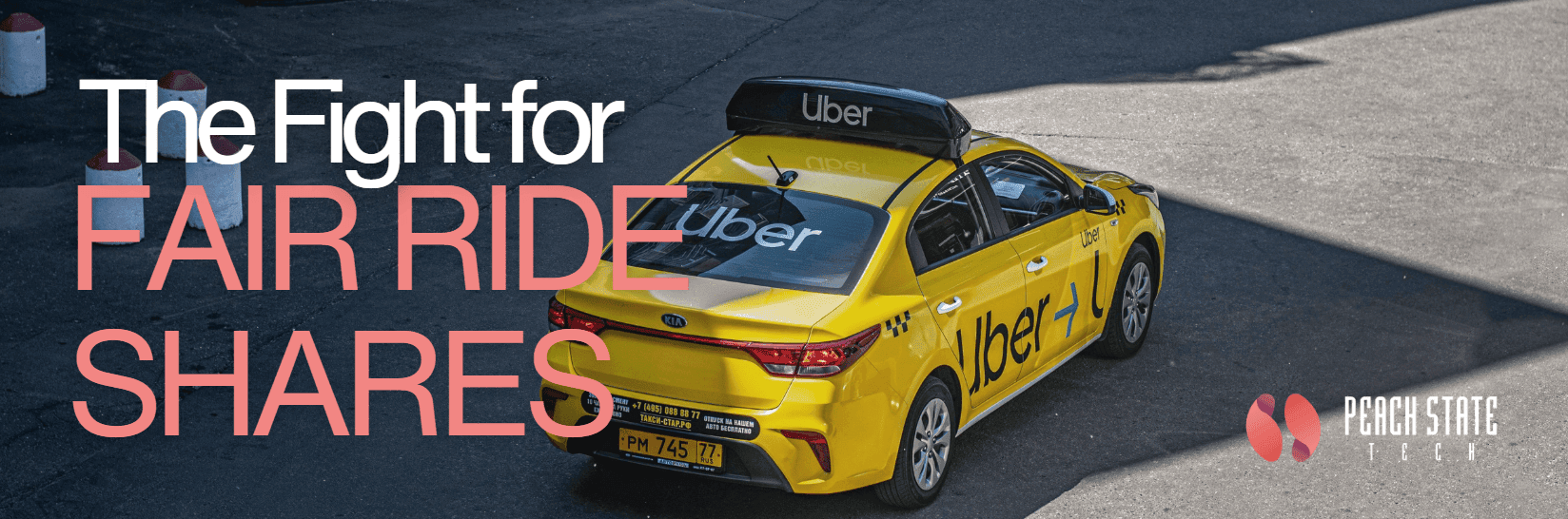
Atlanta Uber drivers are speaking out because autonomous vehicles now compete with them for rides on the same platform. In July 2026, drivers and labor advocates gathered at Historic Fourth Ward Park to report lower earnings and call for stronger worker protections.
Some drivers told FOX 5 Atlanta that their earnings had fallen by as much as half during the previous year, while others reported smaller losses. The effect varies because each driver’s income depends on work hours, passenger demand, platform rates, fuel costs, and the trips assigned through the app.
These reports do not prove that Waymo caused every drop in income. However, they do show why many drivers feel greater financial pressure as autonomous vehicles take more rides through Uber.
Drivers Want a Say in the Transition
The protesters want Uber and Waymo to explain how the platform divides trips between human drivers and autonomous vehicles. They also want public officials to set clear rules before the fleet grows further. Most drivers understand that autonomous vehicles will remain part of Atlanta’s transportation system. Their concern is that the rollout is moving faster than the support available to workers.
That gap matters because automation can reduce company costs while also reducing driver income. When autonomous vehicles complete the same trips as human drivers, workers may receive fewer requests even when passenger demand remains steady.
How the Waymo Atlanta Service Works
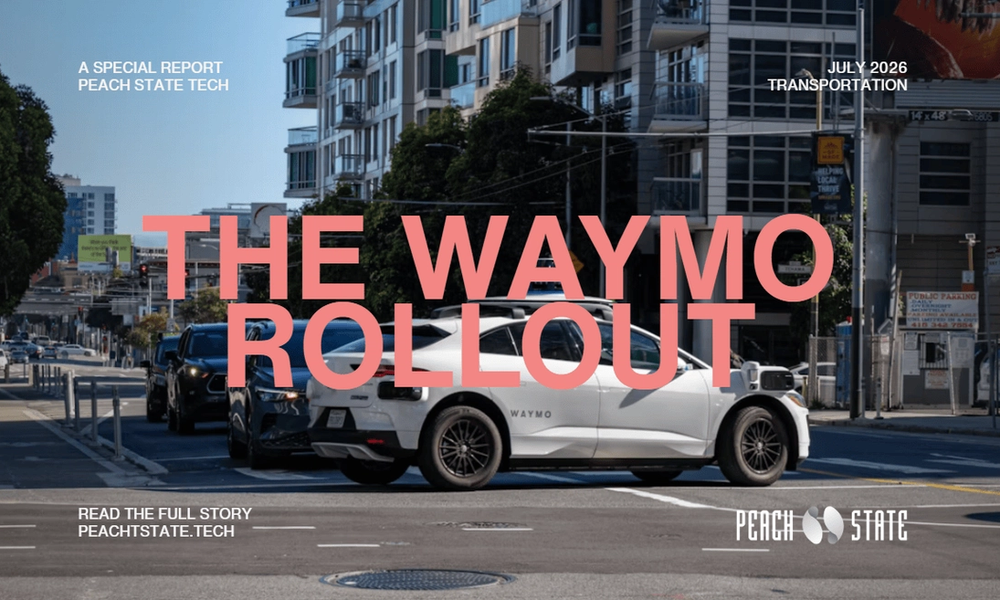
The Waymo Atlanta service launched through the Uber app in June 2025. Riders who request UberX, Uber Comfort, or Uber Comfort Electric may receive a Waymo ride instead of a car driven by a person. Before the ride begins, the passenger can accept the autonomous vehicle or request a car with a human driver. Waymo used a fully electric Jaguar I-PACE when the service launched in Atlanta.
Uber manages the app, vehicle dispatch, charging, cleaning, and fleet support, while Waymo provides the autonomous driving system. This partnership allows both companies to operate one service without requiring passengers to use a separate Waymo app.
Where Waymo Cars Operate
At launch, Waymo cars served about 65 square miles of Atlanta, including Downtown, Buckhead, and Capitol View. The service area gave the companies access to several busy parts of the city from the beginning. Waymo and Uber also operate a similar service in Austin. In both cities, riders can receive autonomous rides through the Uber app alongside regular rides with human drivers.
Waymo has also offered commercial services in Phoenix, Los Angeles, and the San Francisco Bay Area. Atlanta now forms part of a wider expansion that places more autonomous vehicles on public roads.
Why Atlanta Rideshare Drivers Report Lower Pay
Atlanta rideshare drivers need a steady number of trips to cover fuel, repairs, insurance, and daily expenses. When autonomous vehicles accept rides through the same app, human drivers must compete for the remaining passengers.
Drivers have raised several concerns:
- Human drivers may receive fewer short trips.
- Longer trips may cost more in fuel and vehicle maintenance.
- Drivers cannot see how Uber assigns each ride.
- Independent contractors do not receive guaranteed hours or weekly pay.
- Workers may receive little notice before the autonomous fleet grows.
Short trips matter because they allow drivers to complete more rides within a limited area. One driver told CBS Atlanta that these trips can be more profitable because they require less fuel and less unpaid travel time.
When a driver receives fewer short trips, that worker may spend more time waiting or driving without a passenger. As a result, hourly earnings can fall even when the driver works the same number of hours.
Pay Losses Vary Among Drivers
The reported losses differ from one driver to another. Some workers have described severe cuts, while others have reported smaller changes. Traffic, demand, platform pricing, and work schedules all affect driver income, so no single factor explains every loss. Still, the growth of Waymo Atlanta adds another source of pressure to an already unstable form of work.
For that reason, Uber and local officials need clear data that compares driver earnings before and after major fleet expansions. That information would help workers, companies, and policymakers measure how robotaxis affect local pay.
How Algorithms Affect Rideshare Work
The dispute involves more than Waymo robotaxis on Atlanta streets. It also involves the software that decides who receives each trip and how much drivers earn. Algorithms help assign rides, calculate fares, and direct workers toward areas with expected demand. These systems shape a driver’s workday, but drivers usually cannot see how the decisions are made.
That lack of access creates another concern. Drivers may have no way to confirm whether autonomous vehicles receive priority or whether changes in the system have reduced their trip volume.
Companies Have More Information Than Drivers
Technology companies can study passenger demand, driver activity, and fleet performance in real time. Human drivers receive far less information about the systems that control their work. Because of this difference, a driver may notice fewer requests or lower earnings without knowing what caused the change. The platform holds the data and controls the rules behind each assignment.
This problem connects with the AI fluency gap facing Georgia workers. Drivers need more than a basic understanding of artificial intelligence. They also need clear explanations of how automated systems affect their schedules, trip access, and pay.
What Happened at Historic Fourth Ward Park
Rideshare drivers, labor advocates, and community organizers gathered at Historic Fourth Ward Park to call attention to the reported income losses. The rally gave workers a public place to explain how autonomous services affect their daily work. The group asked Atlanta leaders and technology companies to act before more driverless vehicles enter the market. Drivers also said workers should have a role in decisions that may reduce or remove their jobs.
Their demands focused on two issues: worker involvement and company responsibility. Drivers want advance notice before large fleet expansions, along with clearer information about how Uber assigns trips.
Drivers Are Asking for Local Rules
The protesters also asked local officials to create rules for autonomous rideshare services. These rules could require companies to report fleet size, trip distribution, and changes in driver earnings. A formal complaint process could also help workers challenge decisions they believe are unfair. Without that process, drivers have few options when they suspect the platform has reduced their access to work.
Georgia has already started building stronger oversight for automated systems. The state’s work on Georgia AI governance and public-sector guardrails shows how agencies can set rules before they expand the use of new technology. Clear rules would still allow companies to develop autonomous services. At the same time, those rules would make companies more responsible for the effect of their technology on workers and the public.
Uber’s Plan for a Hybrid Transition
Uber has supported a phased transition that keeps human drivers and autonomous vehicles on the same platform. The company says this model can protect earnings and maintain public trust while autonomous services grow. A slower rollout could give Atlanta more time to review safety records, traffic changes, passenger access, and driver income. City leaders could then use that information before allowing larger fleets.
However, access to the Uber app does not guarantee enough work. A driver may remain active on the platform while receiving fewer trips or less profitable assignments.
Protections Needed During the Shift
A fair transition should include clear protections:
- Uber should report how many rides go to human drivers and autonomous vehicles.
- The platform should give drivers notice before major fleet expansions.
- Public officials should review local driver earnings on a regular schedule.
- Drivers should have a clear process for challenging automated decisions.
- Companies should explain how they plan to support displaced workers.
These steps would give workers more time to prepare for changes in the market. They would also help public officials understand how autonomous transportation affects the local economy.
Uber should also explain what a hybrid transition means in practice. Drivers need clear commitments that they can measure instead of general promises.
How Portable Benefits Could Support Drivers
Most rideshare drivers work as independent contractors, which means they often lack unemployment support, paid leave, and employer-funded benefits. This structure leaves them more exposed when technology reduces the demand for their work. A driver can lose income without receiving formal notice or financial support. That risk becomes more serious when one platform provides most of the worker’s earnings.
Portable benefits could offer one form of protection because they remain with workers when they change jobs or use several gig platforms. This system could give independent workers more stability as automation changes local industries. Portable benefits could also help drivers prepare for other types of work. They would not replace lost income, but they could reduce some of the financial risk during a transition.
Why Georgia Needs Rules for Autonomous Fleets
Georgia needs consistent rules as autonomous fleets expand across the state. Separate city policies may create confusion for workers, passengers, public agencies, and technology companies. State rules could set basic requirements for safety reports, data sharing, and worker protection. They could also explain how companies must respond to crashes, software failures, and public complaints.
These decisions matter because autonomous transportation affects more than private mobility. It also affects road planning, emergency response, insurance, public transit, and local jobs.
Preparing Workers for New Jobs
Autonomous fleets may reduce some driving jobs, but they may also create work in vehicle maintenance, fleet support, customer service, and remote monitoring. Workers will need training before they can move into these roles. The PATH initiative for AI workforce development in Georgia shows how training programs can connect workers with skills for AI-supported careers.
However, timing matters. Training should begin before large numbers of drivers lose income because support that arrives after displacement will not help workers who already struggle with daily expenses.
Enterprise Procurement and Vendor Review
Public agencies and private companies must review autonomous vehicle vendors with care. Enterprise procurement teams should consider safety, data protection, contract terms, and the effect on workers. A weak contract can leave a city dependent on a private system that officials cannot fully review. It may also prevent the public from seeing important information about safety or employment.
Peach State Tech has also examined why enterprise procurement can determine whether Georgia technology projects succeed. The same concern applies when cities and large organizations buy autonomous transportation systems. A careful procurement process assigns clear responsibilities before the technology enters service. Contracts should state who owns the data, who reviews system performance, and who responds when the system fails.
Companies that use autonomous technology should also report how their systems affect human workers. This information can help public agencies make better purchasing and policy decisions.
Why AI Cannot Fix Every Transit Problem
Autonomous vehicles may improve some transportation services, but they cannot fix weak labor protections, poor planning, or unclear company rules. This limit explains why AI alone will not fix government inefficiency. Software can process information quickly, but public officials must still create fair rules and enforce them.
Atlanta leaders need reliable data about driver pay, passenger access, crashes, and service coverage. They also need to study how autonomous rides affect different parts of the city. With that information, officials can create policies that protect workers and the public while still allowing useful technology to grow under clear limits.
Frequently Asked Questions About Waymo Atlanta
How Safe Are Waymo Autonomous Vehicles in Atlanta?
Waymo says its autonomous driving system has completed more than 220 million fully autonomous miles across five operating areas, including Atlanta. Its June 2026 safety update reported fewer serious or fatal crashes than the average human driver over the same distance. However, no vehicle system can remove every risk, and riders should still use seat belts and follow the safety guidance shown in the car.
What Should I Expect When Riding in a Waymo Robotaxi in Atlanta?
A rider may receive a Waymo vehicle after requesting an eligible trip through the Uber app. The rider can use the app to unlock the car, open the trunk, and start the trip. The vehicle drives without a human driver, and in-car screens provide trip details and access to support.
How Do Waymo’s Driverless Cars Compare With Traditional Ride-Hailing?
A traditional ride-hailing trip includes a human driver, while a Waymo ride uses an autonomous driving system. Both services are available through the Uber app in Atlanta, and the app provides the price before the rider confirms the trip. Riders may receive a Waymo vehicle when they request an eligible ride type, but they can choose a human-driven option instead.
Are There Any Requirements to Use Waymo in Atlanta?
Riders need an updated Uber app and an Uber account. They can open the app settings, select Ride Preferences, and turn on the autonomous vehicle option to increase their chances of receiving a Waymo ride. Eligible ride types may include UberX, Uber Green, Uber Comfort, and Uber Comfort Electric, depending on the trip and service area.
What Customer Support Is Available for Waymo Riders in Atlanta?
Riders can access customer support at any time through the Uber app or the screens inside the Waymo vehicle. Uber and Waymo state that this support is available 24 hours a day for riders who need help before or during a trip.
What Comes Next for Atlanta Uber Drivers
Atlanta has become an important test for autonomous rideshare services. Other cities may study its response as Waymo robotaxis enter more markets.
Technology companies should share clear information about fleet growth and trip distribution. Public officials should also create worker protections before income losses become harder to reverse.
A Waymo ride may give passengers another mobility option, but its growth should also account for the people who built Atlanta’s rideshare market. Protecting Atlanta Uber drivers will require clear platform rules, stronger labor safeguards, and careful enterprise procurement.
Follow Georgia’s Changing Technology Economy
Peach State Tech covers the founders, companies, policies, and workforce changes shaping Georgia’s digital economy. Follow Peach State Tech for more reporting on Atlanta Uber drivers, Waymo Atlanta, autonomous rides, and the technologies changing work across the state.