


How Government Inefficiency Is Defined Today
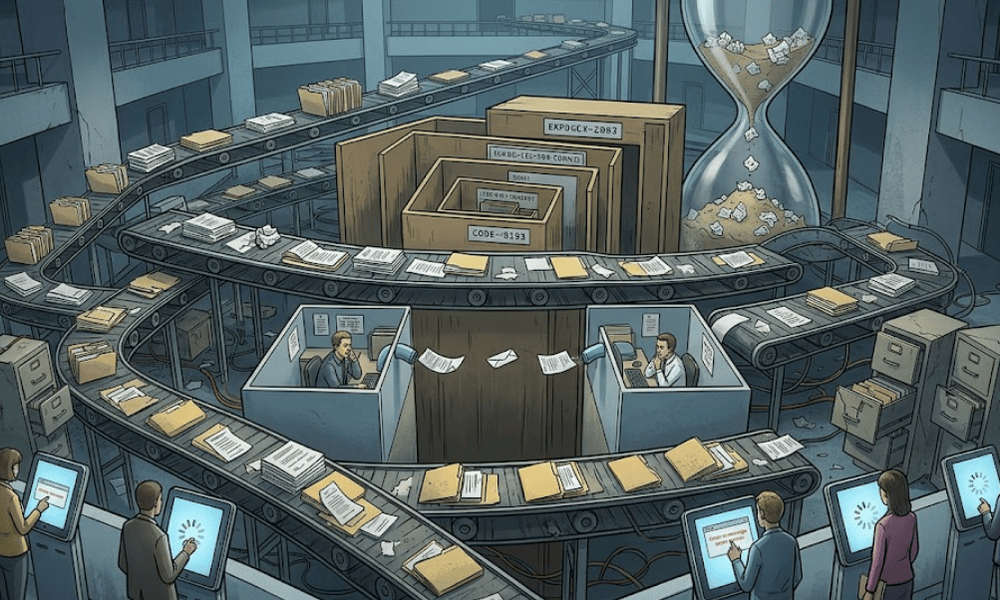
Government inefficiency can mean different things depending on the situation. In general, it refers to systems that waste time, slow operations, or make services harder to deliver effectively. Many policymakers and experts connect inefficiency to problems such as delayed approvals, outdated technology, poor coordination between departments, and unnecessary administrative layers.
In many discussions around modernization, experts also point to the clear causes of government inefficiency, including slow administrative systems, outdated workflows, and weak coordination between departments. These problems often affect both local and federal operations.
Agencies frequently face three specific operational hurdles.
- Slow decision-making processes
- Repetitive manual tasks
- Weak communication across teams
These issues reduce operational efficiency and make modernization more difficult. As governments continue expanding digital services, the pressure to improve efficiency is growing across both local and federal agencies.
Why Governments Are Investing in AI
Many parts of the federal government are under pressure to modernize. Citizens expect faster services, better communication, and more reliable digital systems. To meet these expectations, agencies are investing in AI tools, automation systems, and advanced analytics.
Many agencies are also responding to growing public opinion around slow services and outdated systems. Citizens increasingly expect governments to operate with the same speed and convenience often seen in the private sector. These technologies are now being used across various federal programs to improve efficiency and reduce delays.
Some modernization efforts are also expanding inside agencies connected to the United States Department of Defense, where operational efficiency and digital coordination remain major priorities.
Artificial intelligence systems help public sector entities achieve several core objectives.
- Process information faster
- Reduce repetitive administrative work
- Improve workflow management and response times
For many public sector entities, these investments are part of larger digital transformation efforts designed to modernize public administration.
The Limits of Artificial Intelligence in Government
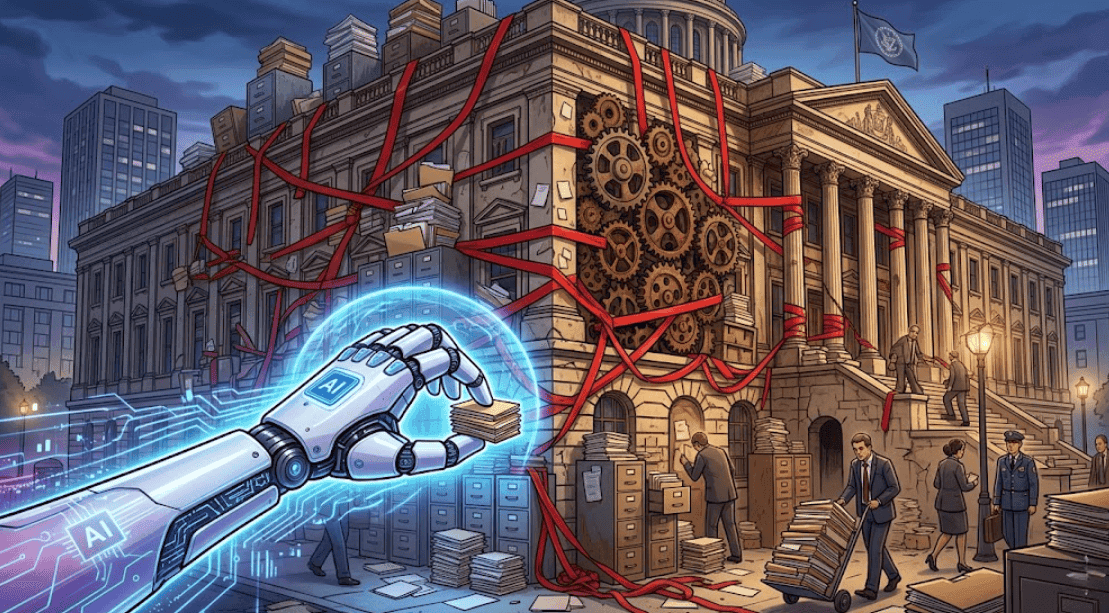
AI can improve speed and automation, but it cannot solve every operational problem. Many agencies still rely on disconnected systems, outdated databases, and slow approval structures. These issues create delays that technology alone cannot fix.
Some departments are trying to place modern AI systems on top of older infrastructure that was never designed to support them. Such forced integration creates communication problems and slows overall modernization efforts. The root issue is frequently tied to layers of bureaucracy, overlapping processes, and outdated organizational structures.
In larger systems, multiple layers of approvals and oversight can make even small operational changes difficult. Bureaucratic layering actively creates delays between planning, approval, and implementation. Even well-designed systems struggle due to several institutional factors.
- Inadequate oversight procedures
- Slow internal approvals
- Poor coordination between departments
These problems continue to limit operational efficiency across many government systems.
Why Legacy Systems Slow Digital Transformation
One of the biggest barriers to modernization is the continued use of legacy systems. Many government platforms were built years ago and are difficult to update. Some systems cannot properly share information between departments or support real-time decision-making.
These integration barriers slow technology adoption and create problems during implementation. Furthermore, agencies must manage modernization across multiple departments with differing operational priorities and different levels of government concern.
In many agencies, modernization efforts are also slowed by regulatory agencies, administrative complexity, and outdated processes that have remained unchanged for years. As operational demands continue to grow, agencies often spend more time maintaining old systems than improving them.
These compounding factors create a cycle where modernization moves slowly while inefficiencies continue to expand.
What Causes Government Inefficiency to Persist
Many causes of government inefficiency are connected to structure and process rather than technology alone. Large agencies often operate across multiple departments with different responsibilities, approval systems, and reporting structures. As organizations grow, coordination becomes more difficult.
Many systems also become harder to manage as agencies expand beyond their optimal size of operations, creating more administrative complexity over time. Inefficiency frequently persists due to distinct structural problems.
- Complex procurement and approval systems
- Resistance to organizational change
- Overlapping administrative processes
Some agencies also rely heavily on older workflows that were designed years ago and no longer match current operational needs. In some environments, slow internal reorganization efforts can further delay modernization and make implementation more difficult. Such structural rigidity creates delays, slows decision-making, and makes modernization significantly harder to implement across government systems.
AI Cannot Fix Broken Processes
Technology can improve operations, but it cannot fix broken systems on its own. If communication between departments is weak or approval processes remain slow, AI tools will still face the same barriers. Even advanced systems may struggle if agencies are not prepared to support them properly.
Many modernization efforts fail because agencies lack essential planning components.
- Clear implementation strategies
- Coordination across departments
- Long-term operational planning
The problem is often institutional. In Georgia, a company called Talitrix deployed a working biometric monitoring system designed to improve visibility and operational awareness inside correctional facilities. While the technology itself functioned successfully, long-term adoption still faced institutional and administrative barriers that slowed implementation and broader system change. These exact institutional roadblocks are why AI IT consulting is shifting across Georgia's mid-tier firms, forcing consultants to focus more on organizational design than the technology itself.
Even experienced senior officials may struggle to modernize systems when older operational structures remain deeply embedded across departments. In some government projects, agencies deployed systems that improved visibility and operational monitoring. Despite successful performance, internal friction and administrative barriers still prevented long-term adoption. This outcome reflects one of the clearest causes of government inefficiency today.
Why Bureaucratic Inefficiency Continues to Grow
One major challenge facing modernization is the growth of administrative complexity across government systems. As agencies expand, layers of approvals and oversight often increase as well. Excessive bureaucracy slows decision-making and reduces accountability.
Some critics argue that excessive layers of management and oversight can make systems harder for both employees and the public to navigate. Long-standing administrative cultures shaped by generations of bureaucrats regularly reinforce these problems.
Furthermore, agencies frequently battle foundational management issues.
- Mismanagement of assets
- Inefficient procurement structures
- Weak performance measures
Agencies may also face public criticism over the misuse of public funds, especially when modernization projects fail to produce visible improvements. Organizations like the Government Accountability Office, often called the GAO, regularly review operational problems connected to spending, oversight, and efficiency inside federal agencies.
Some modernization discussions have also involved proposals connected to a so-called “department of government efficiency,” reflecting growing public concern over waste, delays, and ineffective operations. As these discussions continue, pressure is increasing for agencies to modernize more effectively.
Why Government Technology Adoption Still Matters
The success of AI in government depends heavily on adoption. Agencies must integrate new systems into daily operations, train employees effectively, and support long-term use after deployment. Without these steps, even advanced technology may struggle to create real change.
Consequently, technology adoption remains one of the biggest challenges in modernization today. Technology alone does not create efficiency. Systems, leadership, accountability, and implementation matter just as much.
What Governments Are Doing to Reduce Inefficiency
Many agencies are now taking steps to reduce government inefficiency and improve operations. Some modernization efforts also involve reducing unnecessary administrative layers and simplifying internal approval systems through organizational reforms.
Across the country, governments are investing in automation tools, cloud systems, and digital services designed to simplify workflows and improve communication between departments. Several modernization initiatives prioritize specific operational upgrades.
- Faster processing systems
- Better data sharing between agencies
- Reduced paperwork and manual tasks
In some federal agencies, AI tools are also being tested to improve scheduling, document management, and operational planning. While these efforts are helping some organizations modernize, long-term success still depends on leadership, coordination, and effective implementation.
What Successful Government Modernization Requires
Successful modernization requires more than buying new software. Governments need systems that support better communication, faster implementation, and long-term planning. Agencies must also reduce barriers that slow innovation and make change difficult.
Modernization becomes significantly more effective when agencies prioritize core operational upgrades.
- Simpler workflows and better coordination
- Faster evaluation of new technologies
- Systems that are easier to scale and maintain
These improvements help agencies increase efficiency while preparing for future growth.
Closing the Gap Between AI and Government Efficiency
AI will continue to play an important role in the future of government operations. However, technology alone cannot resolve government inefficiency. Without deeper modernization, many agencies will continue facing the same operational problems, even after adopting advanced tools.
In many systems, the challenge is also connected to outdated structures, slow decision-making, and the long-standing absence of a profit incentive that often drives faster operational change in the private sector. The challenge extends beyond technical innovation; it requires institutions that are fully prepared to support structural change.
The future of government modernization depends on more than adopting new technology, which means success ultimately relies on how institutions adapt to systemic change. Peach State Tech covers the companies, systems, and innovation trends shaping Georgia’s evolving tech landscape, from AI adoption to public sector transformation. Explore Peach State Tech for deeper insights into the technologies, startups, and modernization efforts redefining the future of government and digital innovation.