

The Data Quality Problem Most Companies Ignore
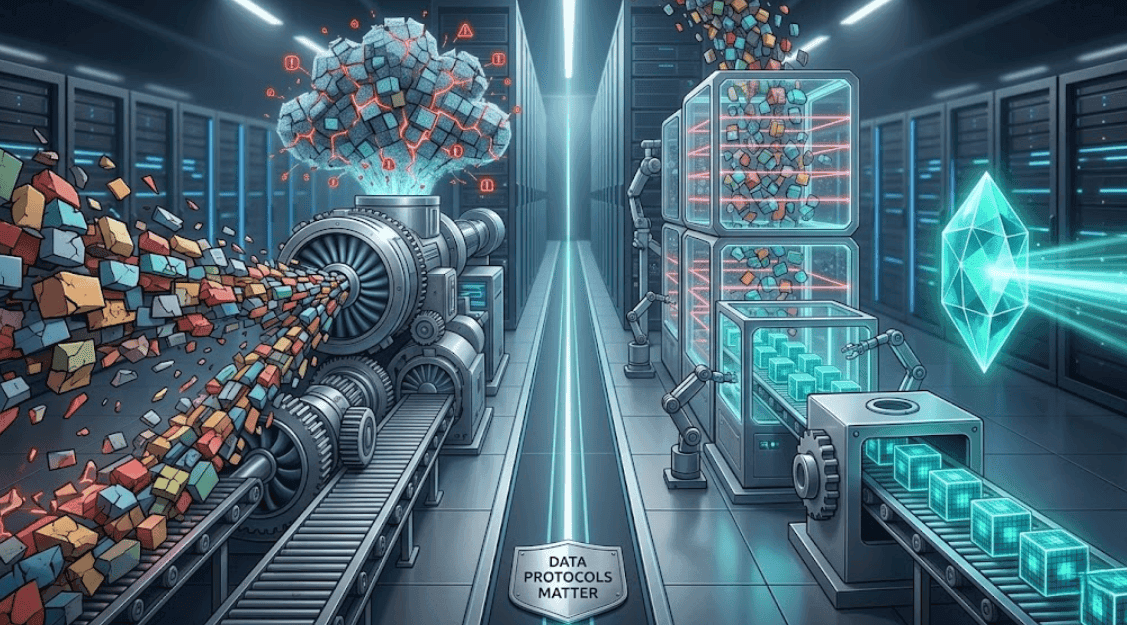
Many businesses spend heavily on data integration tools, hoping to fix disconnected systems and ongoing data quality issues. But they often overlook the real issue, which is data quality.
Flawed information directly compromises downstream business decisions and operational results. Missing values, formatting anomalies, and duplicate records break automated reporting and lead to misinformed decisions.
A report from insightsoftware shows that many companies struggle not because of tools, but because of weak data quality management. They focus on connecting systems instead of fixing their data sources. Advanced tools cannot compensate for fundamentally flawed or bad data. Organizations require reliable data sources from the outset.
Why Data Integration Tools Fail Without Strong Data Quality?
Most companies use systems like Salesforce and NetSuite to manage customer data and operations. The goal of enterprise data integration is to connect these systems. However, if the foundational data within these systems is flawed, integration processes will only propagate the errors.
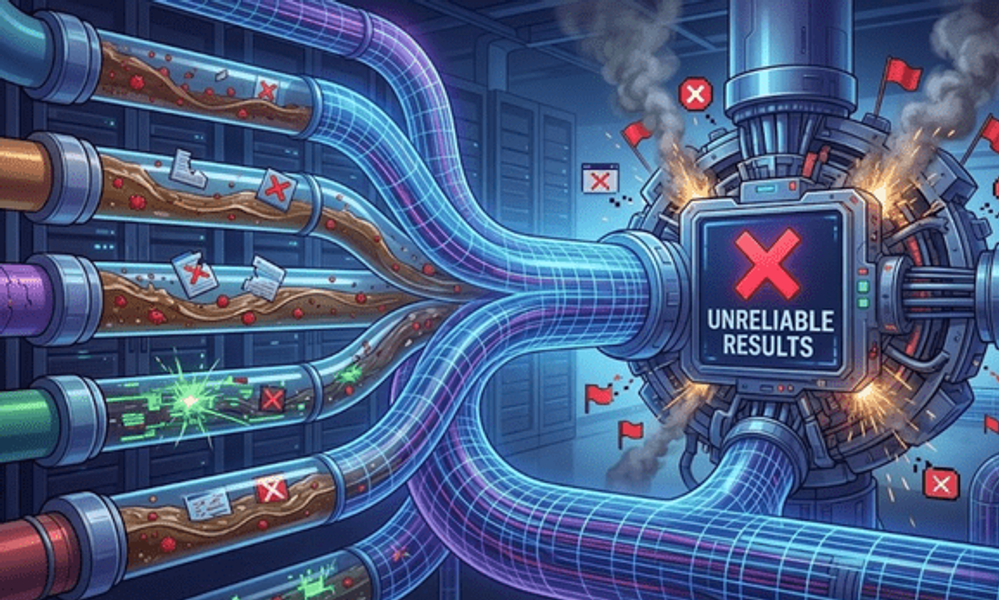
Weak data integration processes cause many projects to fail, especially those relying on machine learning or artificial intelligence. These systems depend on reliable and accurate data, but often receive inconsistent or incomplete information instead. When data is inconsistent, even the best tools and integration strategies cannot produce useful insights.
Data Governance Is the Missing Piece
Many companies invest in tools but ignore data management and governance. This leads to confusion, data errors, and poor business outcomes.
Without clear standards, teams create their own definitions, which creates inconsistencies across systems. This breaks data integrity and makes it hard to trust reports. Strong governance ensures consistent data, clear ownership, alignment across teams, and adherence to data quality standards. It also helps meet regulatory compliance and other regulatory requirements.
When data is managed well, it becomes trustworthy data that supports the whole business.
The Real Cost of Poor Data Quality
Poor quality of data affects every part of a company. It spreads across systems and creates hidden problems.
- Business intelligence and analytics tools show wrong insights
- Poor data hurts customer experience and customer satisfaction
- Teams struggle to make better decisions
- Operations lose operational efficiency
- Duplicate data and outdated information create confusion
Once flawed data reaches visualization platforms like Tableau, the resulting metrics are inherently compromised. Aesthetic dashboards cannot correct inaccurate source inputs.
How to Improve Data Quality Before Data Integration
Before investing in new tools, companies should improve their data first. This means building strong processes for data improvement.
Before auditing software vendors, organizations should focus on optimizing their existing systems through four fundamental steps.
- Execute continuous scrubbing to automatically reconcile incomplete profiles and delete duplicate accounts
- Establish performance baselines using corporate metrics to track systemic errors over time
- Implement automated checks by embedding constraint validation directly into engineering workflows
- Centralize core entities through Master Data Management principles to build a single source of truth.
What Tools or Technologies Help Manage Data Quality
Managing data quality is not just about one tool. It requires a mix of technologies that work together across your systems. The goal is to improve data accuracy, reduce data errors, and create reliable data that supports your business. Different tools focus on different parts of the process. Some help clean data, while others monitor it or manage key records.
Data Cleansing and Data Validation Tools
These tools fix common issues like missing data, duplicate data, and incorrect data. They help ensure your datasets are complete and ready for use. Many companies build these features directly into their data pipelines or use platforms that automate data cleansing and data validation. This improves data quality measures and reduces manual work.
Data Profiling and Data Quality Monitoring Tools
Data profiling tools scan your datasets to find patterns, gaps, and inconsistencies. They help you understand the current state of your data sources. On the other hand, monitoring tools run ongoing data quality checks. They alert teams when something looks wrong, such as sudden changes in values or unusual trends. Together, these tools support continuous data assessment and help maintain it over time.
Master Data Management and Governance Platforms
To maintain consistent data across systems, many companies use master data management tools. These platforms create a single source of truth for key data like customers, products, and accounts. They also enforce business rules and support data governance, ensuring that data definitions stay aligned across teams. This reduces confusion and strengthens data integrity, especially in large organizations.
Data Integration and Pipeline Tools
Platforms used for enterprise data integration, such as ETL and iPaaS tools, still play an important role. However, their effectiveness depends on the quality of the data they process. When combined with strong data quality management, these tools help move clean, structured data between different systems. Without that foundation, they simply transfer problems faster.
Why the Right Mix of Tools Matters
No single tool can guarantee good data quality. The best results come from combining tools with strong processes.
Successful companies achieve results by focusing on three core areas.
- Fixing data at the source
- Applying clear standards
- Using tools to support, not replace, data management best practices
When done right, these technologies turn raw data into trustworthy data that drives better decisions and stronger business outcomes.
Why Enterprise Data Integration Starts at the Source
Companies in places like Atlanta are starting to shift their focus by improving data practices at the source level. Instead of chasing better tools, they are improving data integrity first. They use data profiling and data quality assessment to understand their data early. They also make sure data fits its intended purpose before using it. This approach turns raw data into strong data assets that can support growth, reporting, and long-term operational planning.
The Future of Data Quality in Business
Processing massive datasets across multicloud environments introduces immense operational complexity. Sustaining clean records will become the defining differentiator for organizations scaling their technical footprint over the next decade. Businesses that invest in good data will see better results. The benefits are clear. Clean data improves performance, builds trust with business users, and leads to stronger outcomes.
Organizations do not necessarily need additional tools; they need higher-quality data. When organizational data is clean, consistent, and complete, all dependent systems function optimally, including data integration tools, analytics platforms, and AI systems. Success ultimately requires building a strong foundation of data quality rather than simply purchasing better technology.
Curious who’s building the future of data and enterprise tech in Georgia? Peach State Tech connects you to the startups, operators, and insights shaping the state’s fast-growing innovation landscape. Stay updated with stories that put Georgia’s tech ecosystem on the map.