

How Are Hospitals Moving From Traditional Care to Digital Health Tools?
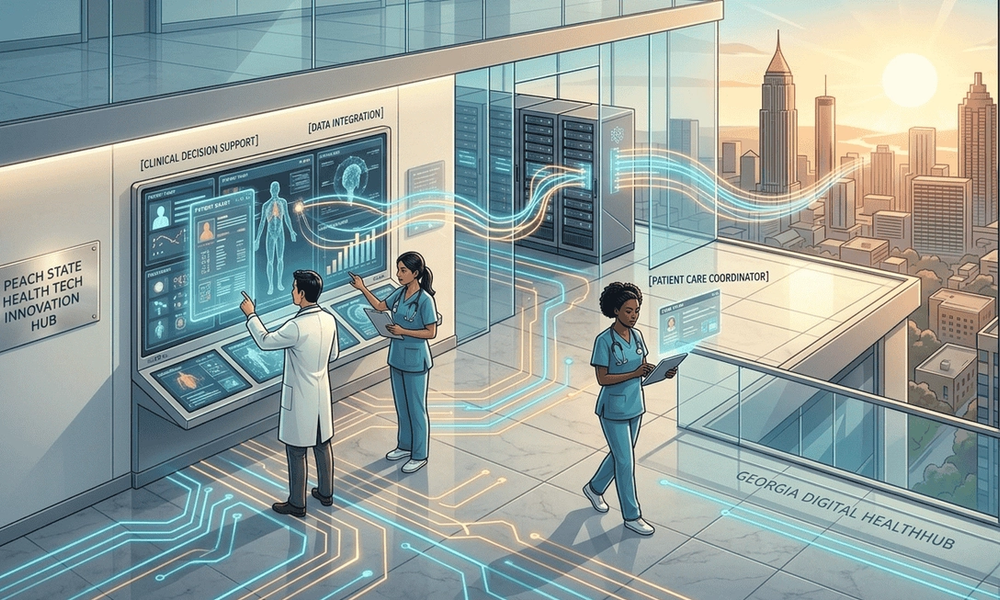
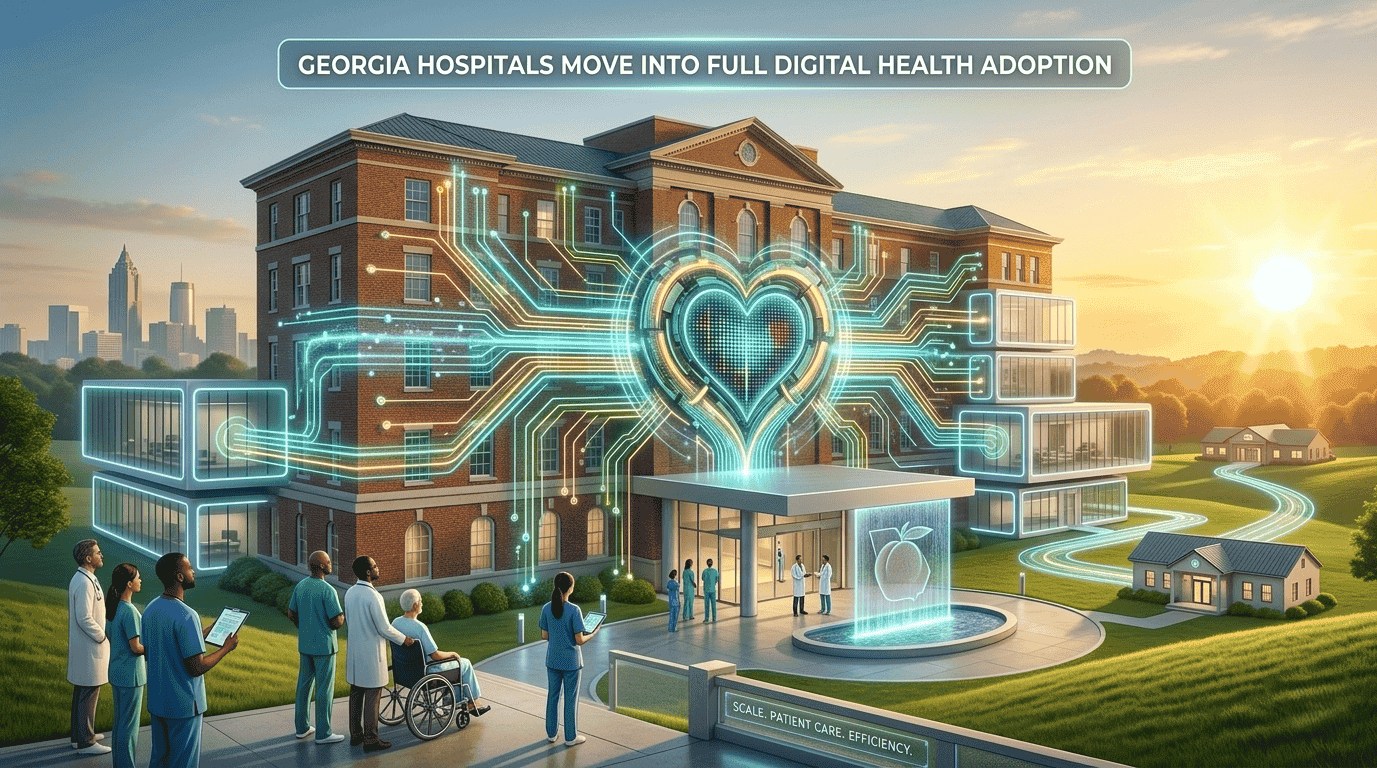
Hospitals are now using many digital tools to support doctors and nurses in daily work, making care faster and more organized. These tools are no longer optional because they are now part of modern healthcare operations in Georgia, improving efficiency, coordination, and overall patient care quality.
These include:
- digital health solutions
- health apps
- wearable devices
- mobile health apps
- virtual care systems
- digital health technologies
- digital technologies
- mobile health
- health systems
These tools help improve quality of care and patient outcomes by making care more continuous and connected. Instead of relying only on hospital visits, care is becoming ongoing. Patients can now be monitored at home, and doctors can respond faster when health changes occur. Hospitals are also using remote monitoring systems to track patients in real time. This reduces pressure on hospital facilities and improves early detection of health risks.
Within the Georgia tech scene, this is seen as one of the most important examples of how digital innovation is directly improving human lives.
AI-Driven Healthcare Systems in Modern Hospitals
Hospitals in Georgia are now using artificial intelligence and machine learning in daily operations. These tools are part of advanced AI-driven healthcare systems that improve healthcare delivery and clinical decision-making. AI is no longer experimental. It is actively used in hospital workflows.
These systems help healthcare teams analyze large volumes of health data, manage patient records, support healthcare professionals, improve patient safety, speed up clinical decisions, and deliver better patient outcomes.
This use of AI is a key part of ongoing health innovation across Georgia hospitals. It also reflects how the Georgia tech scene is moving beyond startups and software into deeply integrated, real-world systems that affect critical infrastructure like healthcare.
Health Data, Electronic Records, and Better Decision-Making
Hospitals rely heavily on electronic medical records and large volumes of health data to improve care. Modern hospitals generate massive data daily, including test results, vitals, imaging, and real-time monitoring data.
Key components include:
- patient information systems
- big data analytics
- data management platforms
- patient records
- integrated health information systems
- improved tracking of health outcomes
However, one of the biggest challenges is healthcare data integration. Many systems still do not connect properly, which creates fragmented patient information.
Hospitals must also manage data privacy, ensure secure handling of patient information, and comply with regulatory frameworks. Strong health systems must balance innovation with safety and trust. For the Georgia tech scene, solving these integration challenges is a major opportunity for local healthtech companies and infrastructure builders.
Remote Patient Monitoring Systems Improve Access
A major part of digital health adoption is the use of remote patient monitoring systems. These systems are reshaping how care is delivered outside hospitals by allowing continuous tracking of patient health.
They use wearable devices, mobile health tools, connected health apps, internet of things (IoT) devices, and other digital health applications to collect real-time data such as heart rate, blood pressure, and oxygen levels.
Doctors can monitor patients without requiring constant hospital visits. This is especially important in rural areas, where access to hospitals may be limited. It also improves patient safety, reduces emergency visits, and supports long-term care for chronic conditions.
Health Equity and Access to Care
Digital health is helping improve health equity across Georgia by making care more accessible to different communities.
More patients can now receive care through virtual care systems, mobile health apps, digital health solutions, and remote consultation tools. These options make it easier for patients to connect with healthcare providers without needing to travel long distances.
Hospitals are also working to close the digital divide, which limits access to technology in underserved communities. By improving access in rural and low-income areas, digital health adoption is making healthcare more fair and inclusive. This also connects to social determinants of health, such as income, location, and access to transportation.
What Is Digital Health? (FDA Perspective)
The U.S. Food and Drug Administration (FDA) defines digital health as the use of digital tools, software, and connected technologies to improve healthcare delivery and patient outcomes.
This includes technologies such as mobile health apps, wearable devices, remote monitoring systems, artificial intelligence tools, and other digital health platforms used in modern care.
The FDA emphasizes digital health because it improves patient safety, supports better clinical decisions, and expands access to care. In simple terms, digital health helps hospitals deliver care that is faster, smarter, and more efficient, making it a key driver of global digital health adoption.
Global Trends in Digital Health Adoption in 2026
In 2026, digital health adoption is increasing rapidly across the world.
Key trends include:
- Wider use of artificial intelligence in health systems
- Growth of remote patient monitoring systems
- Expansion of virtual care services
- Increased use of electronic medical records
- Strong focus on data privacy and cybersecurity
- Increased use of machine learning in healthcare
- Growth of big data in clinical decision-making
- Expansion of digital health trends globally
Countries are investing in health innovation to improve efficiency and reduce healthcare costs. The global direction is clear: healthcare is becoming more digital, connected, and data-driven.
How Emerging Markets Approach Digital Health Differently
Emerging markets often take a different path in digital health adoption compared to developed countries.
Instead of building large hospital systems first, they focus on scalable, mobile-first solutions such as mobile health apps, low-cost digital health solutions, basic remote monitoring systems, community-based virtual care, and simple digital health tools.
These systems are designed for smartphones, making them more affordable and widely accessible. In many rural areas, they help reduce the digital divide and improve access to basic healthcare services. This approach shows that strong health innovation does not always require advanced infrastructure.
Lessons From Successful Digital Health Adoption
Successful digital health adoption initiatives often share key lessons:
1. Focus on real problems
Solve access, speed, and efficiency issues first.
2. Build strong data systems
Healthcare data integration and clean patient records are essential.
3. Support healthcare professionals
Technology must reduce workload, not increase it.
4. Protect trust and privacy
Strong data privacy and regulatory frameworks are required.
5. Keep tools simple
Health apps and remote monitoring systems must be easy to use.
6. Use data effectively
Health data, big data, and analytics improve long-term outcomes.
These lessons are especially relevant to companies in the Georgia tech scene, where healthtech innovation is rapidly growing.
Safety, Privacy, and Trust in Digital Health
As hospitals expand digital systems, data privacy becomes a major concern. Healthcare organizations must protect:
- patient records
- patient information
- sensitive health data
They must also follow strict regulatory frameworks to ensure safety and compliance. Cybersecurity is now a core part of hospital operations. Without trust, digital health adoption cannot succeed at scale.
The Future of Digital Health in Georgia
The future of digital health adoption in Georgia is focused on expansion and integration across healthcare systems. Hospitals will continue to adopt digital health trends, drive health innovation, implement advanced digital health products, strengthen health systems, and improve overall digital health solutions.
From the perspective of Peach State Tech, this growth confirms that the Georgia tech scene is becoming a national leader in applied innovation, going beyond software into real-world system transformation.
Key Takeaway
With the help of artificial intelligence, remote patient monitoring systems, digital health technologies, strong health data systems, and improved healthcare data integration, they are transforming how care is delivered across the state.
This progress is focused on improving access, safety, and the overall quality of care for all patients. It also highlights how the Georgia tech scene, as covered by Peach State Tech, is driving meaningful innovation that directly impacts communities across the state.
If your work is driving innovation in healthcare, AI, or digital transformation in Georgia, we can help you share your story and grow your presence across the state’s fast-growing tech ecosystem.
Connect with Peach State Tech to get featured and become part of Georgia’s innovation network.