


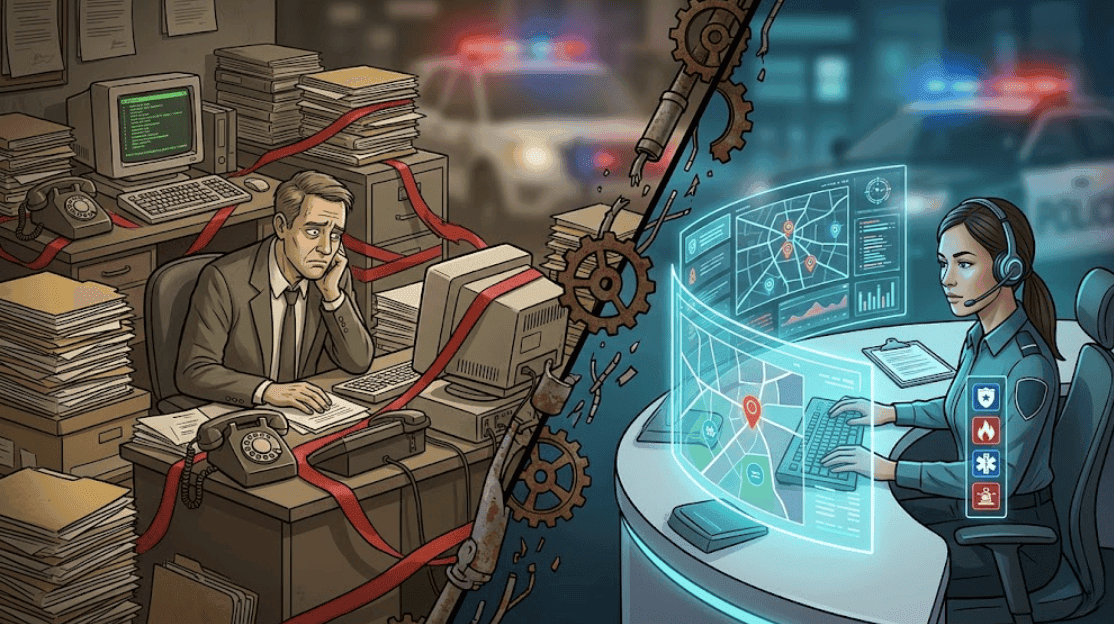
Why Many Public Safety Systems Still Use Outdated Technology
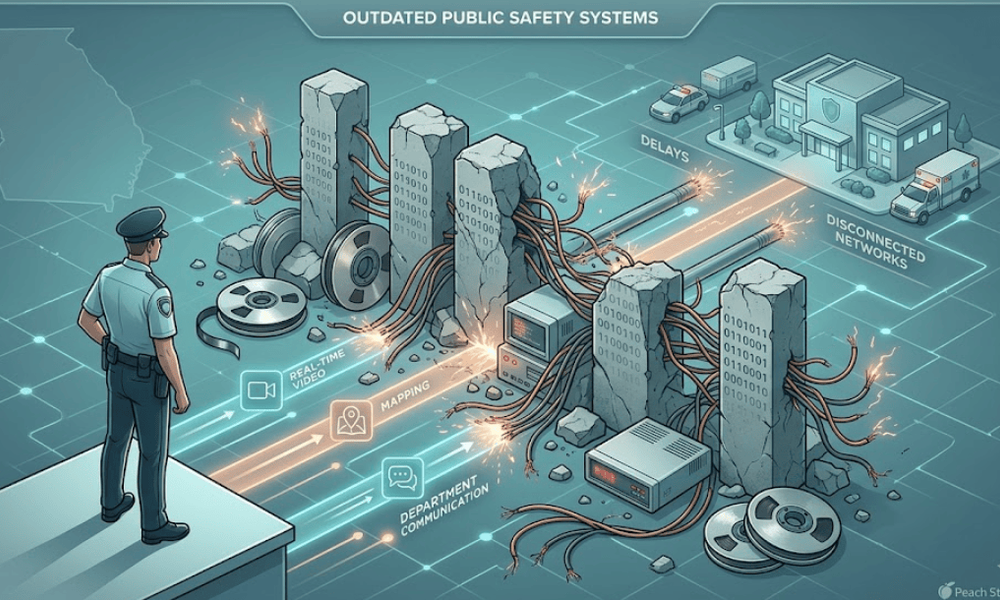
Many public safety agencies still rely on older systems built years ago.
In areas connected to law enforcement technology and criminal justice systems, these tools are often slow, disconnected, and difficult to update. Some law enforcement agencies still operate with outdated legacy systems that cannot properly share information across departments. These disconnected networks actively hinder daily operations and slow emergency coordination.
Many agencies consistently face three operational hurdles.
- Delayed access to critical information
- Systems that cannot properly share data
- Outdated communication tools during emergencies
These gaps make it harder for public safety professionals and emergency responders to respond quickly when every second matters.
The Growing Demand for Smarter Public Safety Systems
Across many cities, there is a growing demand for smarter and more connected systems. Modern public safety solutions now use machine learning, advanced analytics, and predictive analytics to identify potential threats and improve decision-making. Certain systems also incorporate video analytics and surveillance footage to support investigations and improve officer safety.
In many smart cities, agencies are also using the internet of things and connected smart devices to improve coordination during emergencies.
Modern infrastructure helps agencies achieve several key objectives.
- Improve resource allocation during emergencies.
- Support faster response times for emergency services.
- Turn vast amounts of data into actionable insights.
Despite these advances, adoption remains slow. This growing demand is pushing agencies to invest in smarter public safety technology solutions.
How Government Agencies Are Adopting New Public Safety Technologies?
Many government agencies are slowly adopting newer systems to improve public safety and emergency response. Across the country, agencies are testing tools powered by machine learning, video analytics, and connected smart technologies. These systems help improve situational awareness, support faster decision-making, and give agencies better access to real-time information.
Some cities are also investing in emergency response systems, connected iot devices, and cloud-based platforms that improve communication between departments. In high-risk situations, these tools can help emergency teams respond faster and improve coordination during rescue operations.
But adoption still varies between agencies. Some departments move quickly, while others struggle with outdated legacy systems, limited funding, or slow approval processes. Concerns around sensitive data, cybersecurity, and long-term maintenance also slow implementation in many public sector environments.
As demand for faster and more connected systems continues to grow, more agencies are being pushed to modernize their operations.
Why Real-Time Data Matters in Public Safety
In public safety, delays can create serious consequences. Real-time systems help agencies respond faster by giving first responder agencies immediate access to important information. Such critical data includes emergency alerts, live location tracking, and updates connected to emergency calls.
In environments like correctional facilities, transportation systems, and urban response centers, fast access to information can improve coordination and create safer communities. Without modern systems, agencies may struggle to detect emergencies early or respond effectively during critical situations.
When Working Technology Gets Ignored
There are cases where public agencies successfully deploy new technology, but the systems are later abandoned. In one example, a company called Talitrix deployed a biometric monitoring system inside a correctional environment. The technology tracked health data and provided real-time alerts designed to improve safety and oversight.
The system was operational and working. But despite this, the program was eventually discontinued because of internal challenges, funding issues, and institutional friction. This reflects a larger issue inside many criminal justice systems. Even when strong solutions exist, system-level barriers can stop them from being fully adopted.
The Cost of Delayed Innovation
When governments fail to modernize systems, the impact goes beyond technology. Outdated infrastructure can affect emergency response, public trust, and overall safety. In high-risk environments, even small delays in communication can create larger problems over time.
Many agencies are also dealing with increasing security challenges, rising public expectations, and more complex emergencies. At the same time, they must protect sensitive information and maintain strong data security standards. These compounding factors create immense pressure on agencies already struggling to maintain outdated systems.
What Public Safety Agencies Should Look for in New Technology Solutions
Choosing the right public safety technology involves more than finding advanced software. Agencies need systems that fit into their existing operations while also improving long-term performance. Strong solutions should support faster response times, improve communication, and help teams make better decisions during emergencies.
Modern systems should also provide:
- Real-time access to information
- Strong data security protections
- Easy integration with existing systems
For many public safety agencies, usability is just as important as advanced features. Systems must work well for first responders, emergency teams, and daily operations in high-pressure environments.
Scalability also matters. As cities grow and public expectations increase, agencies need technology that can adapt to future needs without creating more system complexity. The best tools are not just advanced. They are practical, reliable, and easy to use in real-world situations.
What Needs to Change
Improving public safety technology requires more than buying new software. Governments need systems that support faster implementation, better coordination, and long-term planning. Agencies must reduce barriers that slow innovation and create environments where new tools can succeed after deployment.
This includes stronger collaboration between departments, better support for public safety operations, and improved planning for future needs. It also requires leadership willing to adapt instead of relying only on familiar systems.
Closing the Gap Between Innovation and Public Safety
The gap between available technology and real-world adoption is still growing. New systems are already capable of improving safety, response times, and operational visibility across many sectors. But until governments improve how they evaluate and implement these tools, progress will remain slow. The primary issue is not a lack of available technology, but rather that existing bureaucratic systems are not built to integrate it.
The future of public safety technology depends not only on innovation but also on whether governments are willing to modernize outdated systems. Peach State Tech covers the companies, systems, and decisions shaping Georgia’s growing tech landscape, from public sector modernization to emerging startups. Follow Peach State Tech to stay informed on the innovations, industry shifts, and enterprise solutions driving the next generation of public safety and government technology.