

Why Healthcare AI Fraud Prevention Is Becoming More Difficult
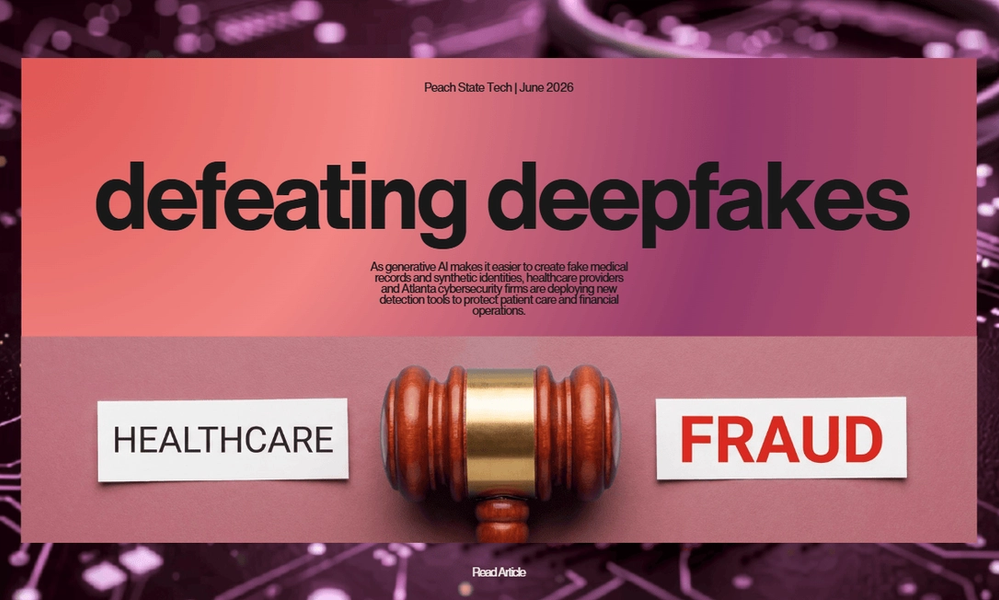
Healthcare AI fraud prevention has become more challenging because modern AI systems can generate realistic content that often bypasses traditional fraud prevention methods. Many fraud detection systems were designed to identify common schemes such as phantom billing, duplicate claims, and suspicious payment activity, but they were not built to detect sophisticated AI-generated content.
Large language models can create detailed clinical notes, patient histories, and insurance documents. These records may support false claims for treatments or procedures that never occurred. Deepfake technology adds another layer of risk by creating synthetic medical images and voice recordings that appear authentic.
Several Atlanta cybersecurity firms are developing tools to address these risks, reflecting Georgia's growing role in healthcare security innovation. Healthcare organizations must analyze large volumes of data while protecting sensitive information and maintaining quality of care. Effective tools must identify suspicious activity without generating excessive false positives that could disrupt legitimate operations.
How Deepfake Medical Records Create New Risks
Deepfake medical records are becoming a major concern for healthcare providers and insurers. AI systems can generate realistic healthcare documents that closely match genuine records. Fraudsters can use these documents to support false claims, hide identity theft, or obtain payments for services that were never provided.
Several common threats are emerging across the healthcare sector.
- AI-generated clinical documentation used to support false claims
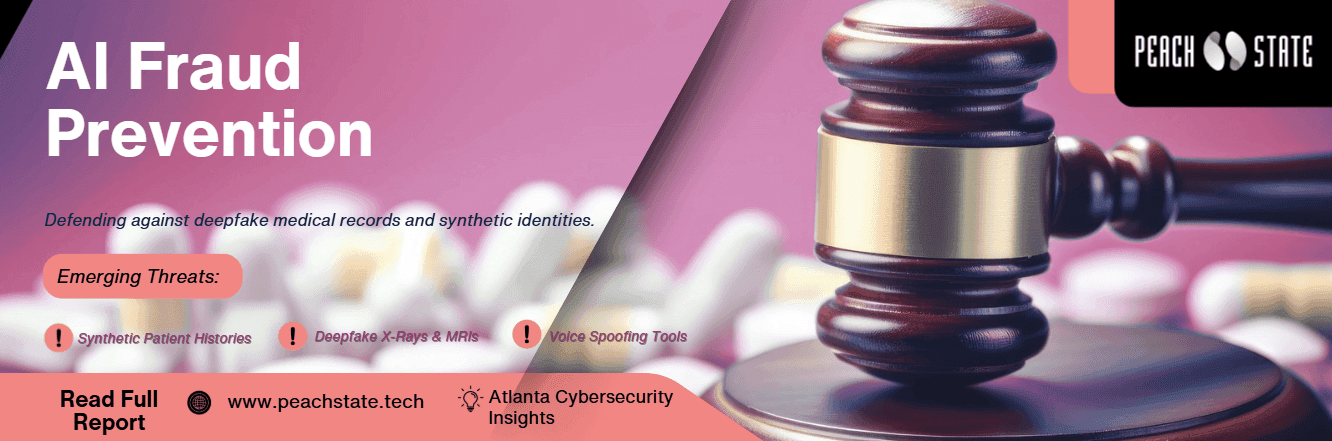
- Synthetic patient histories designed to appear authentic
- Deepfake X-rays and MRI scans created to justify unnecessary procedures
- Voice spoofing tools used to impersonate patients, providers, or healthcare staff
These techniques make fraud investigations more difficult and increase the workload for compliance teams, auditors, and law enforcement agencies.
Medical Imaging Cybersecurity Is Under Growing Pressure
Medical imaging cybersecurity has become a critical part of healthcare security. Deepfake technology can create synthetic X-rays and MRI scans that are difficult to distinguish from genuine diagnostic images. Fraudulent imaging can support false diagnoses, insurance fraud schemes, and unauthorized medical services.
Traditional review methods often rely on human oversight. Human reviewers remain essential, but advanced AI-generated images can be difficult to identify through visual inspection alone. Healthcare organizations are increasingly using machine learning, data analysis, and data mining tools to examine image integrity and identify unusual patterns.
These systems help providers verify diagnostic information while reducing the risk of fraud. Strong medical imaging cybersecurity practices also help protect patient safety and maintain confidence in clinical decision-making.
Atlanta Tech Is Advancing AI Insurance Fraud Defense
Atlanta has become an important center for AI insurance fraud defense. Cybersecurity companies are developing tools that help healthcare organizations identify synthetic content, verify identities, and improve fraud detection processes.
One example is Pindrop, a company that specializes in voice security technology. Its systems analyze voice characteristics, speech patterns, and telecommunications signals to identify synthetic voices during live interactions. These capabilities help insurance companies detect fraud attempts before they result in financial losses or unauthorized account activity.
Strategic Priorities for Healthcare Leaders
Healthcare organizations need a structured approach to healthcare AI fraud prevention. Security measures should be integrated into daily operations rather than added as temporary solutions.
Several priorities can strengthen long-term protection.
- Deploy advanced detection systems for medical imaging, documents, and voice authentication
- Establish strong AI governance and verification standards
- Improve data integrity through modern data management practices
- Upgrade legacy systems with enterprise-grade authentication controls
These measures help healthcare organizations identify fraudulent activities earlier, improve compliance efforts, and strengthen protection against evolving threats.
The Future of Healthcare Fraud Detection
AI technology will continue to influence both healthcare operations and fraud activity. Fraudsters are expected to adopt increasingly sophisticated methods for creating deepfake medical records, synthetic identities, and manipulated healthcare data.
Healthcare AI fraud prevention will increasingly depend on a combination of advanced technology and human oversight. Organizations that invest in AI insurance fraud defense, medical imaging cybersecurity, and data-driven fraud detection capabilities will be better positioned to protect patient care, reduce healthcare costs, and maintain trust across the healthcare industry.
Healthcare leaders that prioritize data integrity, security governance, and healthcare AI fraud prevention strategies will be better prepared to manage the risks associated with AI-powered healthcare fraud. The growing demand for healthcare AI fraud prevention is also creating opportunities for Atlanta's cybersecurity sector, where companies are developing technologies that address challenges across the healthcare industry.
Want to explore more about Georgia's Growing Cybersecurity Sector? Healthcare AI fraud prevention is creating new opportunities for cybersecurity companies across the state. Follow Peach State Tech for ongoing coverage of Georgia startups, emerging technologies, and the innovators developing solutions to some of today's most pressing business challenges.