



What Is VibeOps?
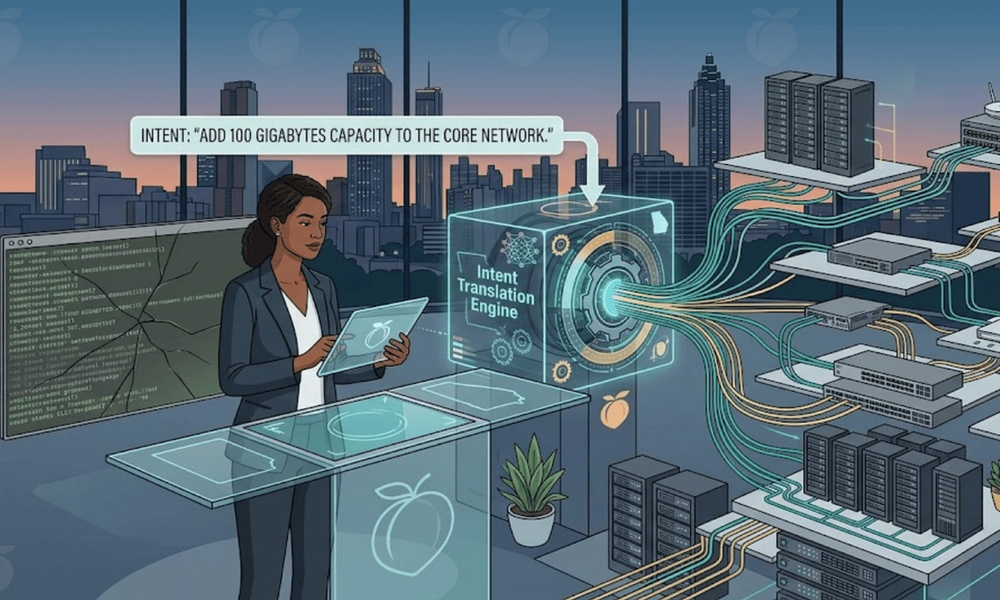
VibeOps represents a modern approach to software development where teams describe what they want, and the system executes the necessary commands. This framework allows developers to control networks through standard text instructions rather than manual scripting. Instead of manually configuring routers or writing complex code, teams utilize natural language prompts such as “Separate guest Wi-Fi from office systems and optimize application speed.”
An intelligent AI agent powered by advanced large language model (LLM) technology interprets the intent and translates it into infrastructure actions. This method relies heavily on intent-based networking; operators focus entirely on strategic business outcomes while the system automates the execution.
The Mission Behind the Platform
While still an emerging concept, the platform reflects a broader movement within the technology industry toward simplifying infrastructure management. The primary mission behind intent-based tools is to make systems more accessible, reduce operational friction, and enable a wider range of developers to manage infrastructure using natural language.
These changes align with the growing demand for faster development, simpler operations, and tools that support teams with varying technical backgrounds.
The Role of Intent-Based Networking
Intent-based networking forms the architectural core of VibeOps. Rather than dictating every manual step, operators define the ultimate objective.
Consider the following deployment scenarios.
- “Optimize application speed.”
- “Block unauthorized traffic.”
- “Protect user data.”
The system calculates the optimal technical steps and applies the configurations directly. Automating these configurations saves time and resources, reflecting a major goal for operations teams across the Georgia tech ecosystem.
Why Engineers Are Moving Away from CLI?
For decades, system administrators and engineers relied heavily on the traditional command line interpreter to manage systems. However, legacy CLI presents significant operational risks. Operating directly within a terminal requires perfect syntax, where minor typos frequently trigger cascading error messages or system failures, ultimately leading to developer fatigue.
Intent-based platforms eliminate the need for manual command memorization. This transition improves the overall developer experience and streamlines workflows, particularly for DevOps engineers managing complex enterprise environments. Across the Georgia tech ecosystem, teams continuously explore methods to reduce manual errors, making intent-driven configuration a central part of modernization discussions.
How Natural Language Network Configuration Works
Natural language network configuration removes the need for extensive scripting. Developers submit a plain-text request, allowing the system to process the intent, extract the necessary parameters, and execute the setup automatically. This automated pipeline makes infrastructure management significantly faster, requiring less time to secure deployments.
The technology integrates seamlessly with CI (Continuous Integration) and CD pipelines, version control systems, and modern DevOps workflows. Startups featured on Peach State Tech increasingly adopt these automated tools to accelerate deployment and scale operations efficiently.
Platform Comparisons and AI Integration
Many legacy intent-based networking tools still require specific scripting languages or rigid GUI (Graphical User Interface) templates to establish operational goals. VibeOps removes those technical barriers by processing plain English instructions. While traditional intent-based platforms target senior network architects, modern natural language tools open infrastructure management to programmers and developers lacking deep networking backgrounds.
The platform utilizes AI to translate natural language prompts into executable actions. A command to “Deploy the app and maintain high security” prompts the system to configure the environment, trigger CI/CD pipelines, optimize performance, and monitor active threats. Peach State Tech tracks strong interest in these AI-driven workflows, particularly among startups building modern DevOps infrastructure.
Main Platform Features
VibeOps offers a comprehensive set of features designed to simplify and enhance network management. These capabilities empower developers to automate complex tasks while maintaining control and oversight.
The platform provides several core capabilities.
- Natural language network configuration
- Intent-based networking execution
- Automation via CI and CD pipelines
- Smart AI configuration suggestions
- Required human approval before executing changes
- Built-in tools for real-time system monitoring
- Automated documentation of configurations and system changes
These features elevate the developer experience and strictly limit manual errors. Such innovations reflect the trajectory of the Georgia tech scene, where teams prioritize speed, clarity, and system scalability.
Real-World Use Cases and User Adoption
Companies increasingly use natural language tools to manage multiple areas of their daily operations. Current applications include several primary functions.
- App deployment by launching applications without manual scripting
- Network security enforcement through simple text commands
- Performance tuning through automated speed improvements
- Troubleshooting through direct system queries regarding latency or errors
Since natural language configuration remains a newer approach, active tech communities provide the best real-world insights. Official platform forums feature users sharing deployment stories, custom prompts, and performance metrics. DevOps communities on GitHub and Reddit frequently detail how teams transition from traditional CLI workflows to intent-based systems.
Community Resources and Platform Documentation
Professionals seeking additional information regarding platform updates and technical documentation frequently utilize official DevOps forums, GitHub repositories, and specialized enterprise communities. These informational hubs provide comprehensive deployment guides, release notes, and real-world implementation strategies. Active engagement within these networks allows system administrators and platform engineering teams to track emerging trends and continuously optimize their systems.
Current Challenges and Limitations
Despite its capabilities, the platform presents specific operational hurdles.
- Teams require adaptation periods to transition from CLI environments
- Engineering departments often display initial skepticism toward AI-driven execution
- AI agents occasionally misinterpret unclear or ambiguous prompts
- Legacy systems frequently lack support for modern pipeline integrations or robust API connectivity
Handling Errors and Unexpected Results
Allowing an AI system to alter network settings based on text prompts introduces inherent risk. The platform mitigates these risks by pausing execution upon detecting conflicts. If the system misreads a prompt or identifies a network clash, it flags the anomaly and requires explicit human approval. The software also runs predictive simulations to display exact changes before live updates occur, and it features immediate rollback capabilities if a flawed configuration deploys.
The Future of CLI and AI-Driven Operations
The command-line interface will not fully disappear, but its operational role is permanently shifting. Historically, developers relied on CLI for the vast majority of tasks. Currently, natural language processing and modern AI applications automate routine infrastructure duties.
CLI remains necessary for highly specialized edge cases; however, daily operations steadily shift toward natural language commands. AI-driven operations heavily favor intent-based systems, observability integration, and automated security protocols. As these trends mature, tools like VibeOps are positioned to become standard components within modern DevOps and platform engineering environments.
Peach State Tech provides Georgia’s enterprise sector with authoritative visibility and industry credibility. Through targeted industry coverage, the platform connects innovators and leadership teams with key market stakeholders navigating the future of infrastructure and digital transformation.