

Venture Atlanta Conference 2026 Signals a Change in Venture Capital Strategy
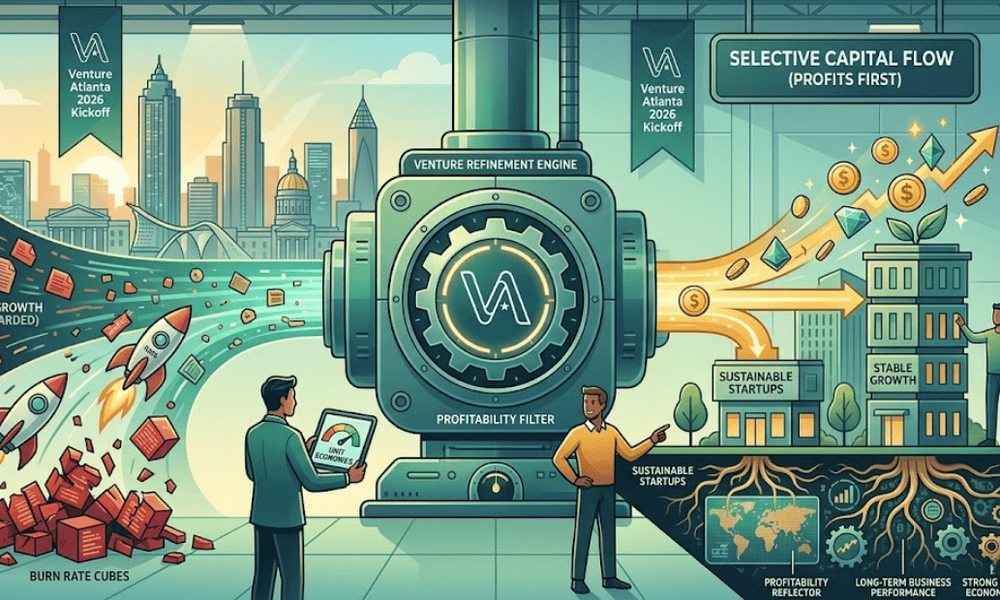
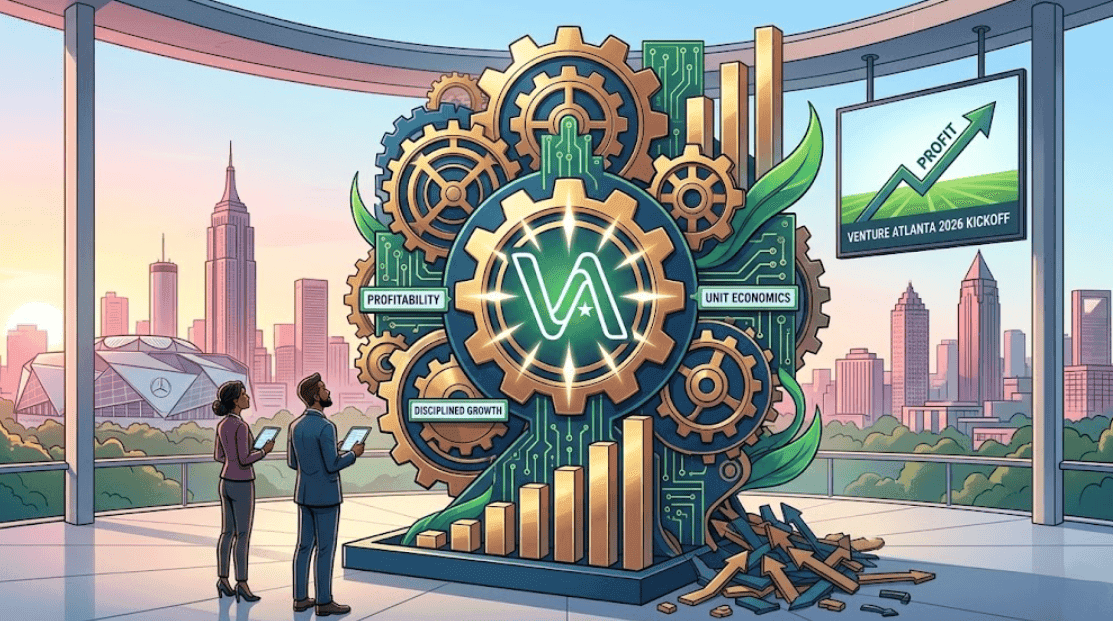
The Venture Atlanta Conference 2026 opened with a clear change in direction for the Southeast startup market. The event showed a shift away from fast growth strategies toward venture capital profitability. Investors and founders focused on stable growth, stronger unit economics, and long-term business performance.
The Venture Atlanta Conference 2026 remains a key event in the Southeast venture conference ecosystem. It connects startups with investors and continues to shape funding trends across the region. The 2026 kickoff showed that capital is now more selective. Investors expect companies to show financial discipline before scaling.
The Atlanta tech ecosystem continues to grow into a more structured market. Startups are no longer viewed as early experiments. They are now expected to build enterprise-ready solutions with clear revenue paths and stable operations.
What Is The Difference Between Southeast Venture Conference And Venture Atlanta?
The Southeast venture conference is a broad term used to describe multiple startup and investor events across the region. These events may take place in different cities, such as Nashville or Atlanta. They often focus on general startup funding, regional innovation, and cross-state investor networking.
The Venture Atlanta Conference 2026 is a specific event within this broader category. It focuses on curated startup selection, structured investor access, and high-growth companies in the Atlanta tech ecosystem. The event has a more selective process compared to general regional showcases.
Key differences between the two include:
- Scope Of Participation Across Multiple Southeast Cities Versus A Single Curated Conference
- Broader Startup Showcases Versus Highly Selected Venture-Backed Companies
- General Networking Events Versus Structured Investor And Founder Matching
The Venture Atlanta Conference 2026 operates as a flagship event within the Southeast venture conference landscape. It concentrates on companies that demonstrate stronger financial readiness and clearer paths to venture capital profitability. This makes it more competitive and more closely tied to later-stage funding discussions.
Are There Any Notable Success Stories From Startups Launched At The Southeast Venture Conference?
The Southeast venture conference ecosystem has produced multiple startup outcomes that progressed into funded companies, acquisitions, and enterprise partnerships. Venture Atlanta, as the most established event in the region, has played a central role in shaping these outcomes within the Atlanta tech ecosystem.
Startups that gain visibility at the conference often experience increased investor interest after their presentations. This exposure helps companies move from early-stage funding into larger venture capital rounds or acquisition discussions.
Common success patterns include:
- Early Stage Companies Securing Seed Or Series A Funding After Conference Exposure
- Enterprise Software Startups Entering Strategic Acquisition Discussions
- Founders Building Long-Term Investor Relationships Through Investor Panels
Many of these outcomes are connected to industries such as healthcare, enterprise software, and clean tech. These sectors benefit from strong institutional support, including research universities and federal laboratories that contribute early-stage innovation to the market.
The Venture Atlanta Conference 2026 continues to act as a gateway into the Southeast venture conference ecosystem. Companies that perform well at the event often see stronger visibility across national investor networks and increased deal flow opportunities within months of participation.
Venture Capital Profitability Becomes the Core Investment Standard
Investor expectations at the conference focused strongly on venture capital profitability. Startups are now judged based on financial strength, not just growth potential. Clear revenue models and cost control are now required before major funding rounds.
Investor panels played a central role in explaining these changes. These sessions showed how funding decisions are becoming stricter across early and growth stages. The message was consistent. Companies must show financial stability before scaling.
Research universities and federal laboratories were also highlighted as important sources of innovation feeding the Southeast venture conference ecosystem. These institutions support new technologies that later move into startup companies. Their work helps strengthen long-term growth in the Atlanta tech ecosystem.
Several funding standards were emphasized across discussions.
- Strong Unit Economics And Clear Revenue Models
- Demonstrated Venture Capital Profitability Before Series A Funding
- Market Solutions With Long-Term Demand
- Operational Discipline Before Scaling Capital
These standards reflect a wider change in venture capital strategy across the United States. Clean tech and other structured industries were often discussed as examples of sectors that require long-term planning and stable investment models.
Atlanta Tech Ecosystem Shifts Toward Structured Startup Growth
The Atlanta tech ecosystem continues to mature into a more disciplined environment. Startups still receive early funding, but scaling to larger investment rounds requires stronger performance and financial readiness.
The Series A stage remains a major challenge for many founders. While seed funding is accessible, many companies struggle to meet investor expectations at later stages. These expectations include consistent revenue growth, scalable systems, and proven market demand.
Investor interest in Atlanta continues to grow. National venture firms are watching the region closely for new opportunities. However, companies must now show stronger business fundamentals before receiving larger capital commitments.
Southeast Venture Conference Highlights M&A as Primary Exit Path
The Southeast venture conference discussions confirmed that mergers and acquisitions remain the main exit path for startups. Public listings remain limited, which increases the importance of acquisition opportunities.
Recent deals in fintech and enterprise software show continued consolidation across the market. Companies with strong financial control tend to perform better during acquisition discussions. This makes capital discipline a key advantage.
Startups that avoid aggressive spending cycles are better positioned for negotiation. Investors now prefer companies that can exit from a position of strength instead of financial pressure.
Applied Enterprise Technology Strengthens Regional Advantage
The Southeast venture conference reinforced the region’s focus on applied enterprise technology. Most successful companies build tools that integrate directly into business operations. These solutions are designed for practical use, not experimental testing.
This approach continues to define the Atlanta tech ecosystem. Startups often work in logistics, finance, and enterprise systems where results must be measurable. Clean tech solutions are also gaining attention as companies look for long-term efficiency and sustainability in business operations.
Application Outlook for Venture Atlanta Conference 2026
The Venture Atlanta Conference 2026 is expected to host more than 1,000 attendees. This includes investors, founders, and corporate leaders from across the United States. Selection standards are now higher, with a stronger focus on execution, scalability, and financial discipline.
Investor panels remain a key part of the event experience. These sessions guide founders on how to meet modern venture expectations and improve funding readiness. The Southeast venture conference continues to serve as a major gateway for capital access in the region.
Several themes will define the main stage presentations. These include enterprise artificial intelligence, industry-focused software, clean tech applications, and advanced systems supported by research universities and federal laboratories.
Key focus areas for selected companies include:
- Enterprise Artificial Intelligence Integration
- Industry Specific Software Platforms
- Clean Tech Innovation For Business Efficiency
- Technologies Supported By Research Universities And Federal Laboratories
Startups that reach the main stage often gain stronger investor attention after the event. The Venture Atlanta Conference 2026 continues to play a central role in shaping how companies enter the Atlanta tech ecosystem and scale across the Southeast venture conference landscape. Venture Atlanta Conference 2026 Signals a Shift in Venture Capital Strategy
The Venture Atlanta Conference 2026 opened with a clear shift in how investors and founders approach startup growth in the Southeast. The event highlighted a move away from aggressive expansion strategies toward more disciplined, profitability-focused business models. Venture capital firms and startup leaders emphasized stronger financial control, improved unit economics, and sustainable growth as core requirements for funding decisions.
The Venture Atlanta Conference 2026 remains one of the most influential gatherings in the Southeast venture space. It has helped connect startups with billions in funding and continues to shape how investors evaluate early and growth-stage companies. The 2026 kickoff reflected a more selective funding environment, where capital efficiency and long-term stability matter more than rapid scaling.
The broader Atlanta tech ecosystem has matured significantly over the past decade. Startups in the region are no longer viewed as experimental ventures. Instead, they are increasingly recognized as structured companies building enterprise-ready solutions. This transition has strengthened Atlanta’s position as a growing hub for enterprise technology and investment activity.
Venture Capital Profitability Becomes the Central Investment Standard
Investors at the conference placed strong emphasis on venture capital profitability as a core requirement for funding. Startups are now evaluated based on their ability to generate revenue efficiently and maintain clear paths to financial sustainability. The focus has shifted away from growth metrics that rely heavily on user acquisition without strong financial returns.
Several investment priorities were consistently highlighted during the sessions. These priorities reflect how funding decisions are changing across the Southeast venture conference landscape.
- Strong Unit Economics And Clear Revenue Models
- Demonstrated Pathways To Venture Capital Profitability
- Market Problems With Long-Term Commercial Demand
- Operational Discipline Before Scaling Funding Rounds
These expectations reflect a broader correction in venture capital behavior following years of high-growth investing. Investors now prefer companies that show stable financial structures rather than aggressive expansion without profitability.
Atlanta Tech Ecosystem Shifts Toward Structured Startup Growth
The Atlanta tech ecosystem continues to evolve into a more structured and disciplined startup environment. Early-stage companies are still receiving access to angel funding and seed capital, but scaling to larger funding rounds requires stronger execution and operational maturity.
The conference identified the Series A funding stage as a key challenge for many startups in the region. While early funding is available, many companies struggle to meet the expectations required by institutional investors. These include predictable revenue growth, scalable operations, and strong financial planning.
Investor interest in Atlanta remains strong, particularly from national venture firms looking for new deal flow in emerging markets. However, startups are expected to meet higher standards before accessing larger investment rounds. This shift reinforces Atlanta’s growing reputation as a serious player in the U.S. technology landscape.
Southeast Venture Conference Highlights M&A as Primary Exit Path
The Southeast venture conference discussions confirmed that mergers and acquisitions remain the dominant exit strategy for technology startups in the region. Public market conditions continue to limit initial public offerings, making acquisitions the most practical path for liquidity events.
Recent acquisitions in fintech and enterprise software reflect this trend, as larger firms continue to consolidate proven technologies. Startups that maintain capital efficiency tend to perform better during acquisition discussions because they enter negotiations from a position of financial stability.
Founders were advised to focus on timing and financial discipline rather than relying on urgent liquidity needs. Companies with stronger balance sheets are more likely to secure favorable acquisition outcomes compared to those that scale aggressively without profitability.
Applied Enterprise Technology Strengthens Southeast Position
The Southeast venture conference also reinforced the region’s strength in applied enterprise technology. Unlike other tech hubs that focus heavily on experimental innovation, Atlanta-based startups tend to build solutions designed for direct integration into business operations.
This approach has become a defining feature of the Atlanta tech ecosystem. Companies that succeed in the region typically develop tools for logistics, finance, and enterprise workflows where measurable outcomes are required. These practical applications make Southeast startups more attractive to corporate buyers and institutional investors.
The conference highlighted that startups selected for the main stage often experience increased investor engagement after presenting. This visibility effect continues to make the Venture Atlanta Conference 2026 a key platform for emerging companies in the region.
Application Outlook for Venture Atlanta Conference 2026
The Venture Atlanta Conference 2026 is expected to host more than 1,000 attendees, including venture capital firms, corporate investors, and startup founders from across the United States. Selection criteria have become more competitive, with stronger emphasis on scalability, financial discipline, and market readiness.
Key themes for the main stage include enterprise artificial intelligence applications, industry-specific software platforms, and technology solutions designed for logistics and industrial sectors. These themes reflect the continued evolution of the Southeast venture conference landscape toward practical, revenue-generating innovation.
Startups applying for the conference must demonstrate both technical capability and business maturity. The event continues to serve as a major entry point into the Atlanta tech ecosystem and a key driver of venture capital activity across the Southeast.
Peach State Tech publishes coverage on Georgia’s technology sector, including venture capital activity, startup growth, and enterprise software trends shaping the state’s innovation landscape. Read more insights to track how founders, investors, and companies are shaping Georgia’s evolving tech economy.