

The Problem with Data Integration for Consulting Firms
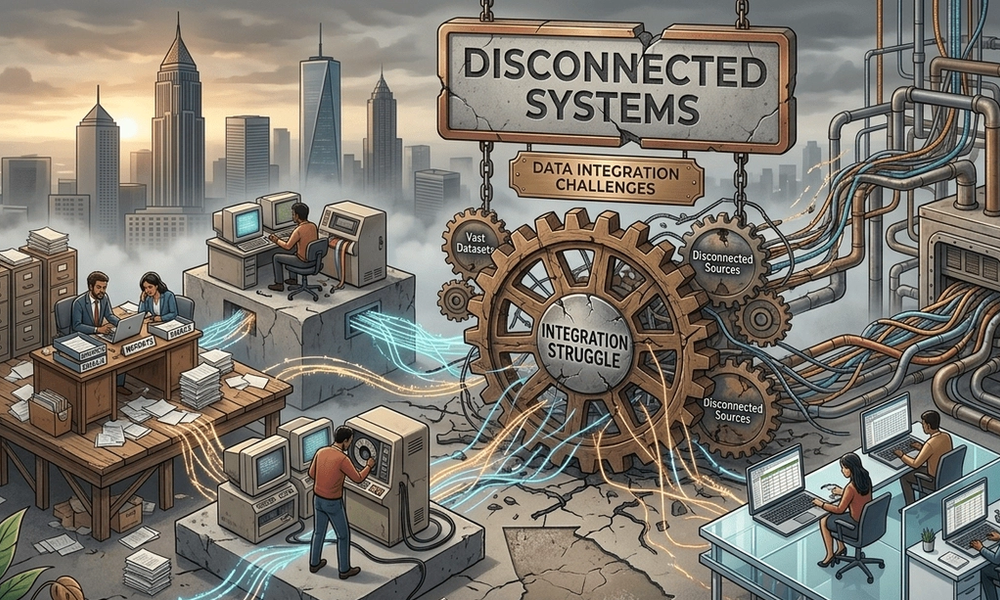
Many consulting teams still struggle with data integration for consulting firms. They deal with disconnected systems and vast datasets from multiple data sources that are hard to manage.
In many projects, data comes from spreadsheets, databases, reports, and even emails. These systems often do not connect, making it difficult to get a clear view of the business.
Common problems include:
- Too much data collection from different sources
- Poor data management across systems
- Time wasted on repetitive tasks and routine tasks
These issues increase operational costs, slow down projects, and reduce client satisfaction. They also affect client outcomes, since teams cannot deliver insights on time.
Because of this, consultants often spend more time fixing data than solving problems. This limits their ability to deliver real value and delays important decisions.
How Semantic Mapping AI Helps
This is where semantic mapping AI plays a key role. It uses machine learning and natural language processing to connect systems automatically.
Instead of manual work, AI reads historical data, understands natural language, and finds patterns across platforms. It can identify relationships between fields, even if they are labeled differently.
This turns raw data into valuable insights that support better decisions. It also reduces human error and improves accuracy. As a result, consultants can better understand client needs, meet client expectations, and improve client engagement. This leads to stronger trust and better results.
Automated Data Mapping for Faster Results
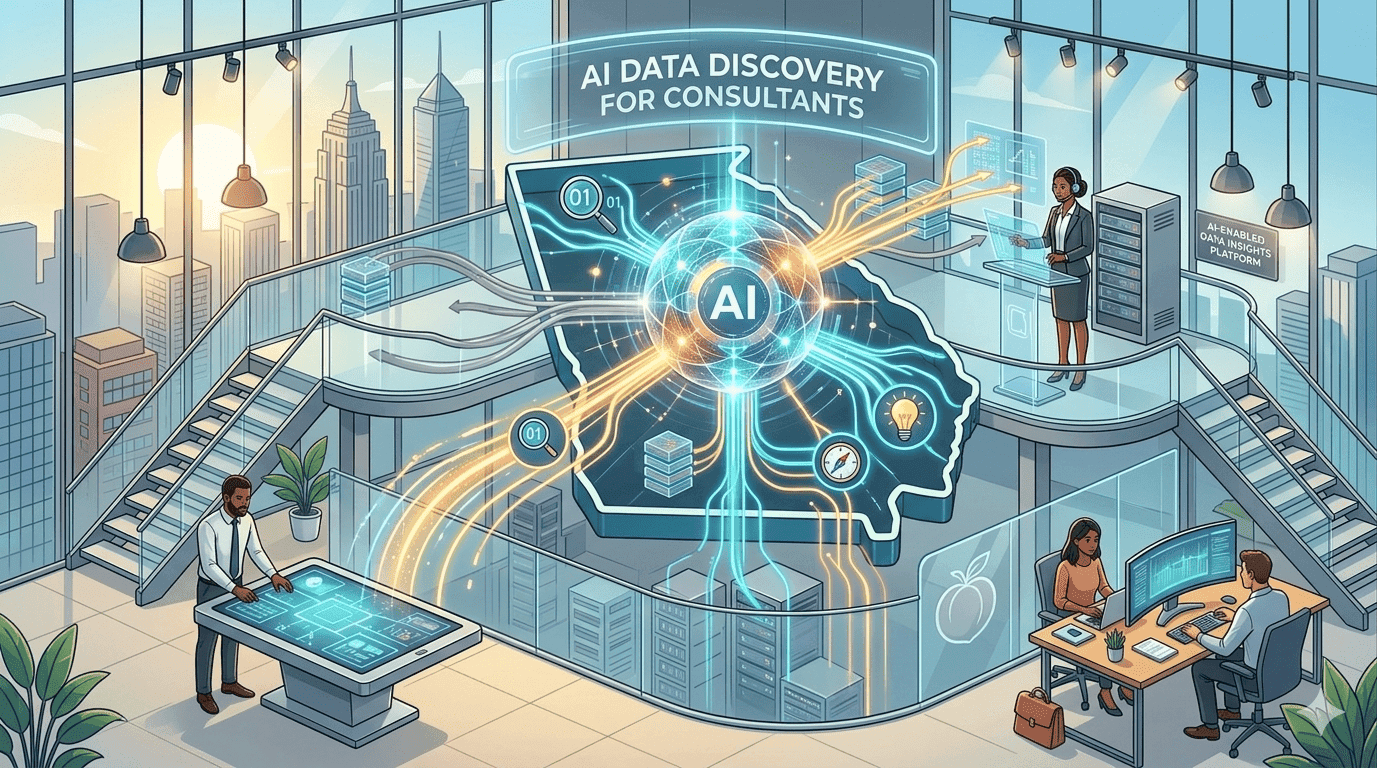
With AI data discovery for consultants powered by automated data mapping, teams no longer need weeks to prepare data. The system handles data processing, organizes vast datasets, and prepares them for predictive analytics.
Key capabilities include:
- Connecting structured and unstructured data
- Identifying relationships across systems
- Creating ready-to-use data for analysis
This improves operational efficiency, reduces operational costs, and frees time for strategic planning.
Instead of focusing on data cleanup, teams can now focus on market trends, customer behavior, and improving business operations. This shift helps firms deliver faster and more accurate recommendations.
It also allows consultants to take on more projects without increasing workload, which improves overall productivity.
Why AI Is Important in Consulting Today?
Modern consulting services are evolving because of the integration of AI. Tools like generative AI and AI agents help firms work faster and smarter. AI supports better project management, smarter resource allocation, and stronger risk management.
In today’s competitive market, firms that use AI gain a clear advantage. They can respond faster to changes, adapt to market trends, and deliver more value to clients. This creates a strong competitive edge, especially in industries where speed and accuracy are critical.
The Role of the Georgia Tech Scene
The growth of AI tools is strong in the Georgia tech scene, especially in Atlanta. Many startups are building focused AI solutions that solve real business problems.
Platforms like Peach State Tech highlight how companies are driving digital transformation through practical tools. These solutions support areas like supply chain, knowledge management, and change management.
This ecosystem helps startups grow and connect with investors, professionals, and partners. It also supports innovation by sharing ideas, trends, and success stories.
As a result, Georgia continues to become a strong hub for AI and technology development.
Managing Risks and Ethics in AI
While AI offers many benefits, firms must also think about data privacy, ethical considerations, and potential risks.
Handling client data responsibly is very important. Poor data practices can lead to security issues and loss of trust.
Using best practices helps protect data and ensures systems work as expected. It also helps firms stay compliant with rules and regulations. By focusing on ethics, companies can build long-term relationships and improve client satisfaction.
Real Business Impact of AI
AI is not just about technology—it improves real results. Companies can use real-time insights to make better decisions and respond quickly to changes.
With the right tools, firms can:
- Study market research and social media trends
- Learn from case studies and past data
- Improve their consulting practice and client outcomes
This leads to smarter strategies, better planning, and stronger performance. It also helps firms stay ahead in a fast-changing market.
Best AI Tools for Data Discovery in Consulting
Many firms now use AI data discovery for consultants to handle complex data faster. The best tools combine semantic mapping AI, machine learning, and natural language processing.
These platforms can process vast datasets, support data analysis, and deliver actionable insights. Some tools are designed for general business operations, while others focus on specific consulting use case needs.
Choosing the right tool depends on the size of the data, the goals of the project, and the needs of the client.
What to Look for When Choosing AI Tools
When choosing AI tools, consultants should focus on ease of use and real value. Tools should support data integration for consulting firms and fit into existing workflows.
They should also provide real-time insights, support secure data processing, and follow ethical considerations. This helps reduce risk and improve results.
It is also important to choose tools that can scale as the business grows. This ensures long-term value and better performance.
Common Challenges in Using AI for Data Discovery
Even with its benefits, AI adoption is not always easy. Many firms still rely on traditional consulting methods and need time to adjust.
Challenges include managing potential risks, ensuring good data management, and meeting client expectations. Without proper planning, these issues can affect business outcomes. There may also be resistance to change within teams. Some employees may need training to fully understand AI tools.
Strong change management and clear goals can help firms overcome these challenges and improve adoption.
Are There AI Tools Built for Consulting?
Yes, many platforms are now designed for AI consulting. These tools focus on solving real consulting problems like messy data and tight timelines.
They help with data collection, improve automated data mapping, and support better strategic planning.
These tools are useful across various industries and can adapt to different specific needs. This flexibility makes them valuable for both small and large consulting firms.
How Consultants Can Start Using AI for Data Discovery
Getting started with AI data discovery for consultants is simple when done step by step.
First, identify a clear use case, such as improving market research or understanding customer behavior. Then, select a tool that supports the integration of AI into your workflow.
Start with a small project to test performance. Measure results, track improvements, and calculate cost savings.
Over time, firms can expand into areas like knowledge management, risk management, and full digital transformation. This gradual approach reduces risk and improves success.
A Smarter Future for Consulting
The future of consulting depends on AI data discovery for consultants. With tools like semantic mapping AI, and automated data mapping, firms can work faster and smarter.
By reducing time spent on data, consultants can focus on solving problems, improving business outcomes, and delivering real value. As AI continues to grow, firms that adopt it early will gain a strong advantage in the evolving consulting landscape.
Want to Get Featured in Georgia’s Tech Scene? Peach State Tech spotlights the startups, founders, and innovators shaping Georgia’s digital economy. If you're building something in AI, consulting, or enterprise tech, we help you get seen by the right audience—investors, partners, and industry leaders.
Share your story and grow your presence across Georgia’s innovation ecosystem.